Reduce risk, avoid programme delays and make decisions based on evidence – not assumptions.

The Relentless Threat Below Ground Level
Sub-structure and Undercroft Waterproofing
Sub-structures, basements and undercrofts exist in a highly hostile environment. Situated below the water table or built into sloping ground, these concrete retaining structures are under constant siege from hydrostatic pressure. Water will relentlessly exploit the tiniest microscopic capillaries, failed construction joints or structural cracks in the concrete to force its way inside. Once a subterranean space is breached, the resulting flooding destroys critical mechanical and electrical (M&E) assets, halts commercial operations and accelerates the corrosion of the structural steel framework.
The Failure of Superficial “Tanking”
When a basement or undercroft leaks, unqualified contractors often attempt to solve the problem by painting a cheap, rigid waterproof slurry (often called “tanking”) directly onto the wet internal walls. This is a fundamental engineering failure.
Because they have not relieved the hydrostatic pressure building up behind the wall, the water simply accumulates. The immense weight of this trapped groundwater will eventually blow the rigid coating right off the concrete or force the water to travel laterally, creating a new, more destructive leak somewhere else. Attempting to hold back thousands of tonnes of hydrostatic pressure with a millimeter-thick layer of paint is impossible.
You need an engineered water management strategy rather than a cosmetic patch.
Engineered Moisture Control and
BS 8102 Compliance
Structural Repairs approaches below-ground waterproofing through the strict lens of structural engineering and BS 8102 (the British Standard for the protection of below-ground structures). We do not fight the water. Instead, we engineer systems to manage, redirect and eliminate it.
We deploy highly specialized, multi-tiered waterproofing systems that treat the entire undercroft as a holistic structural environment. Depending on the exact pathology of the structure and the required environmental grade of the internal space, we design bespoke interventions that guarantee total dryness.
- Negative Side Crystalline Waterproofing: For heavy structural seepage we apply advanced crystalline slurries. These highly reactive compounds penetrate deep into the capillaries of the saturated concrete. Upon contact with water they grow insoluble crystals to permanently block the microscopic moisture paths from deep within the substrate itself.
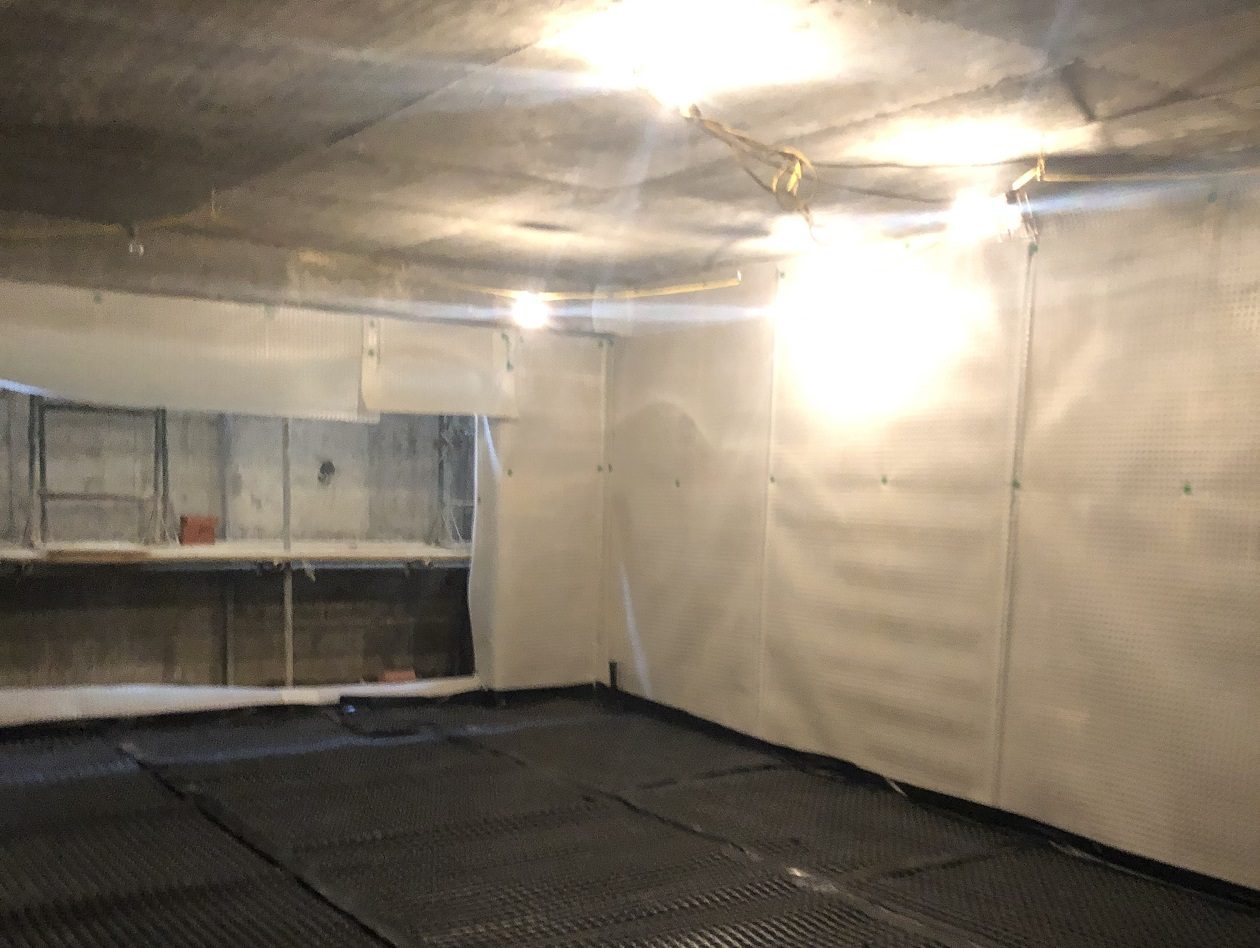
- Type C Cavity Drain Systems: The most resilient way to secure a subterranean space is to manage the water rather than blocking it. We install highly engineered, studded high-density polyethylene (HDPE) membranes to the internal walls and floors.
- Integrated Drainage and Sump Pumps: Behind the Type C membrane water is allowed to safely depressurize and enter a perimeter drainage channel. It is then channeled into a dual-pump sump station where it is safely and quietly evacuated from the building to leave the internal undercroft completely dry and structurally secure.
- Injection Waterstopping: Where specific construction joints or structural cracks are gushing under high pressure we deploy targeted polyurethane (PU) resin injection to instantly arrest the flow before installing the primary waterproofing systems.
Sub-structure Waterproofing Technical FAQ
Hydrostatic pressure is the immense physical weight of standing groundwater pressing against your below-ground walls and floors. It is relentless. If the ground outside your undercroft becomes saturated, that water is actively trying to push its way into your building. Over time it will exploit any weakness in the concrete to relieve that pressure.
Positive side waterproofing is applied to the outside of the building (the side facing the wet earth) during construction. Negative side waterproofing is applied to the inside of the building (the dry, usable space). Because we are usually repairing existing buildings we specialize in advanced negative side interventions. This means we can secure the asset without the massive expense of excavating the surrounding earth.
BS 8102 is the British Standard code of practice for the protection of below-ground structures against water from the ground. It defines the grades of waterproofing required depending on what the space is used for (e.g., a car park requires a different grade than a server room). Our engineers design all our undercroft systems to strictly comply with or exceed these standards to ensure total legal and physical protection.
Traditional paints or rigid slurries try to hold the water back, meaning they take the full brunt of the hydrostatic pressure and often fail by cracking or debonding. A Type C cavity drain membrane accepts that water will enter the structure. It allows the water to safely depressurize behind the dimpled plastic membrane, guiding it harmlessly into a drain and pumping it away. It never fights the pressure so it cannot be blown off the wall.