
Reduce risk, avoid programme delays and make decisions based on evidence – not assumptions.

3 simple steps to receiving your
Full Costed Report in 24hrs
Step 1
Online Zoom Call
Quick 30 minute call
No site visit needed
Step 2
24hr Response
Quick turnaround
Keeps your job on track
Step 3
Full Costed Report
Highlighting defects
Scope of works to remediate
Full costings
Our concrete scanning
services can detect:
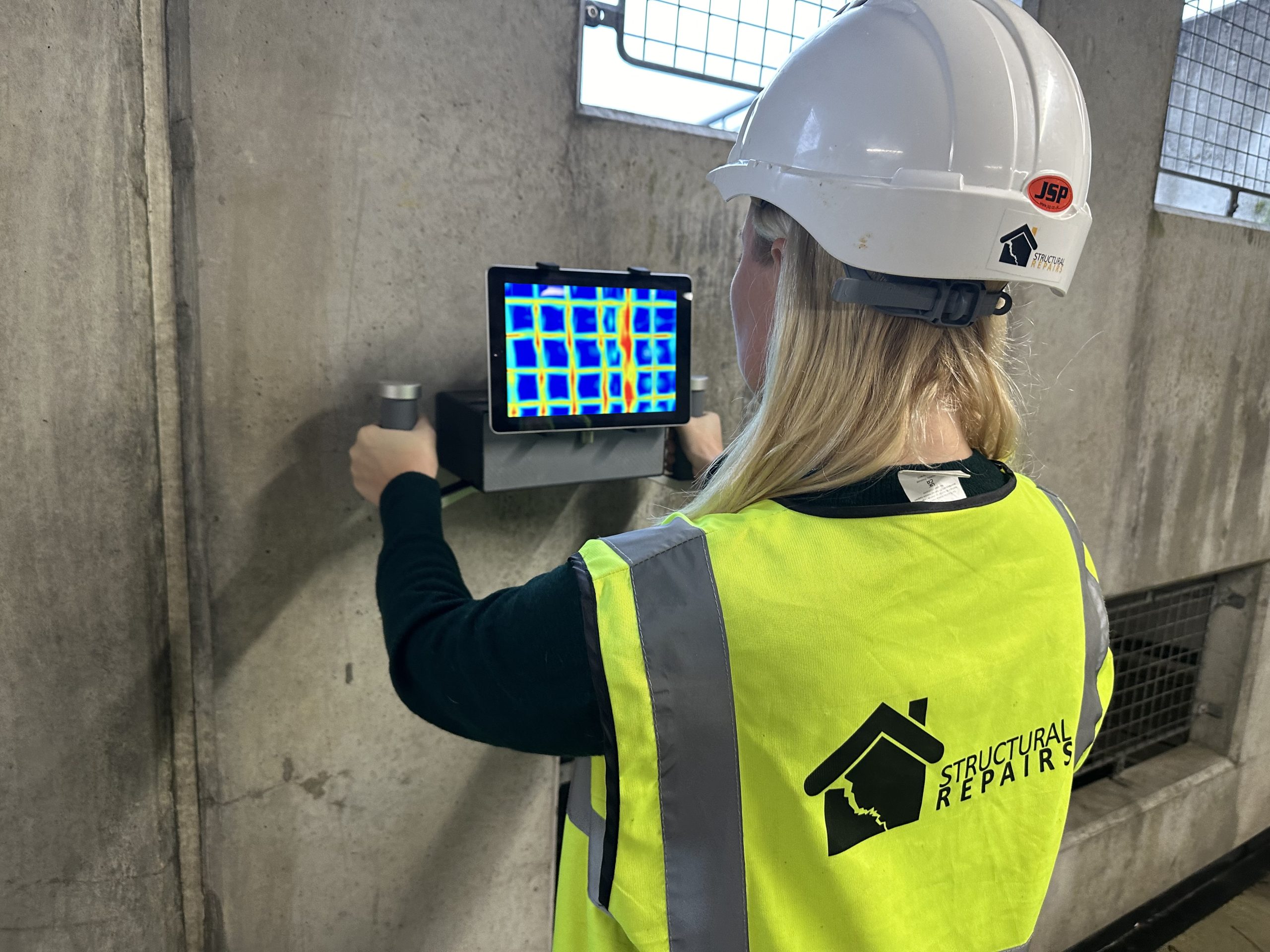
We use cutting edge technology to
ensure quality and reliability
Modern
Solutions
Our concrete scanning
experts go beyond
traditional methods to
deliver exceptional results
Get Insights
Not Assumptions
Understanding what’s beneath the surface is essential for maintaining safety and integrity engineering projects
Join a
Trusted Network
We work with renowned
organisations like IHG,
Network Rail and Thames Water
to ensure quality and reliability
Our Concrete Scanning Projects
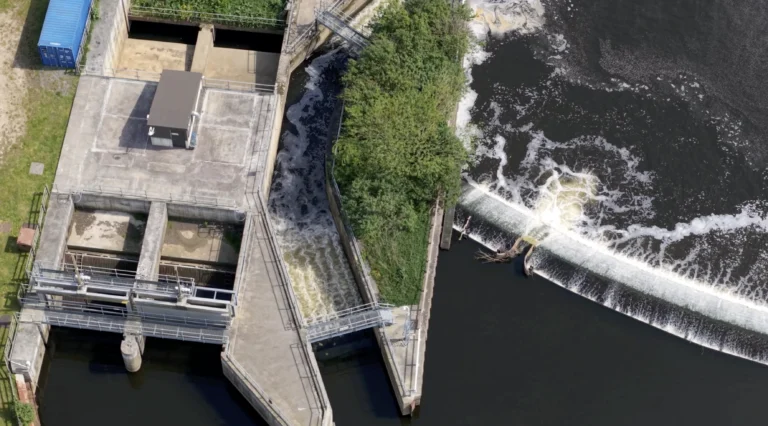
Non-Destructive Structural Survey at Lostock
Deploying advanced Ground Penetrating Radar (GPR) technology, Structural Repairs completed a comprehensive non-destructive structural investigation at Lostock WTW to identify subsurface anomalies without disrupting operations.
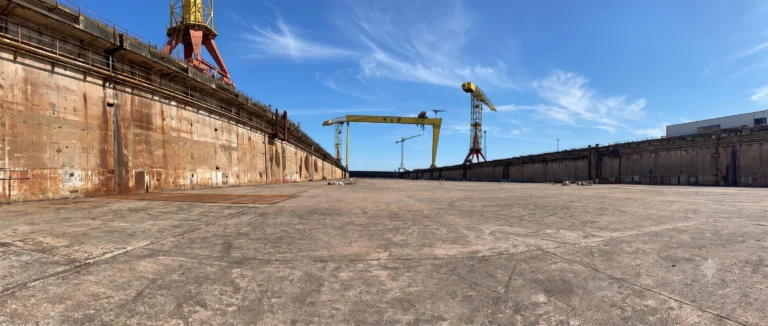
Harland & Wolff Dry Docks: Marine Concrete Rehabilitation
A civil engineering case study detailing the structural concrete rehabilitation of the historic Harland & Wolff dry docks in Belfast. Highlights the remediation of severe chloride-induced rebar corrosion and massive concrete spalling using BS EN 1504 compliant structural mortars and cathodic protection.
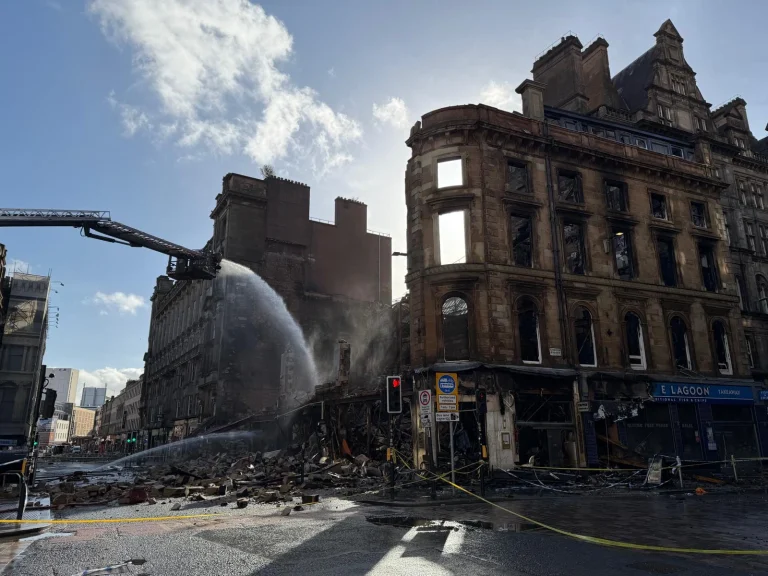
The Union Street Fire: Structural Diagnostics and Heritage Preservation in Glasgow
Our thoughts are with the people of Glasgow, the local traders who have lost their businesseses and the city as a whole at the loss of this much-loved landmark. Following…
Deploying concrete scanning eliminates the guesswork from structural modifications. It allows engineers to identify hidden hazards such as reinforcement bars, post-tension cables and utility lines prior to drilling or cutting. This data-driven approach prevents catastrophic structural damage, mitigates safety risks and eliminates costly project delays.
Advanced scanning technologies can accurately locate a wide range of subsurface elements. This includes steel reinforcement bars (rebar), post-tension cables, live electrical conduits, metallic and non-metallic pipework and hidden structural voids or delamination within the concrete matrix.
The process is entirely non-destructive. Our engineers deploy specialist equipment—primarily Ground Penetrating Radar (GPR)—directly across the concrete surface. The equipment transmits high-frequency radio waves into the structure and records the reflected signals to build a highly precise, real-time map of the internal layout.
Yes. Unlike traditional concrete X-ray methodologies which require strict radiation safety protocols and site evacuations, Ground Penetrating Radar emits completely harmless radio waves. The process poses zero health risks to site personnel or the general public and can be conducted safely within live commercial or operational environments.