Contact Us
If you have a commercial, industrial, infrastructure or heritage structural repair enquiry, contact us now. We will respond within one working day. Please note we do not provide services for domestic properties.

If you have a commercial, industrial, infrastructure or heritage structural repair enquiry, contact us now. We will respond within one working day. Please note we do not provide services for domestic properties.
Business enquiries:
Structural Degradation Diagnostics : Structures do not fail without reason. Whether it is a multi-storey car park, a coastal bridge or an industrial warehouse, structural degradation is a progressive chemical and physical process. By the time cracks appear or concrete begins to fall, the internal health of the structure has been compromised for years. To diagnose structural degradation effectively, you must look beyond the surface damage to identify the underlying pathology—be it chemical attack, environmental stress or mechanical fatigue.
The most common mistake in building maintenance is treating the symptoms of degradation as the problem itself. Smearing a cosmetic repair mortar over a spalling concrete beam or repointing a cracked wall without understanding the cause of the movement is a waste of capital.
If the root cause—such as concrete carbonation or sulphate attack—is left untreated, the degradation will continue beneath the new patch. This leads to a cycle of failed repairs, accelerating decay and eventually a total structural failure. A true diagnosis requires a forensic approach that interrogates the chemical and physical state of the building materials.
Structural Repairs utilises a suite of advanced diagnostic tools to determine exactly why a structure is failing. We combine on-site non-destructive testing with laboratory analysis to create a comprehensive map of structural health.
The latent phase is the period where the structure is actively deteriorating internally but shows no outward signs of failure. For example, steel can be corroding inside a concrete beam for a decade before the first crack appears on the surface. Our diagnostic services are designed to catch the decay during this phase when remediation is significantly cheaper.
Yes. This is often caused by “salt crystallisation” or “freeze-thaw” cycles. We test the masonry and the mortar joints to determine the moisture content and salt levels. This allows us to specify the correct breathable mortars or desalination treatments required to stop the masonry from turning to dust.
A survey tells you what is wrong (e.g. there is a crack in the wall). A diagnosis tells you why it is wrong (e.g. the crack is caused by thermal expansion due to a lack of movement joints). We provide the diagnosis, which is the only way to design a repair that actually lasts.
While you cannot stop time, you can effectively arrest the chemical and physical processes of decay. Once we have diagnosed the cause—be it carbonation, chlorides or movement—we can specify targeted interventions like cathodic protection, migrating corrosion inhibitors or structural resin injection to reset the clock on your building’s design life.
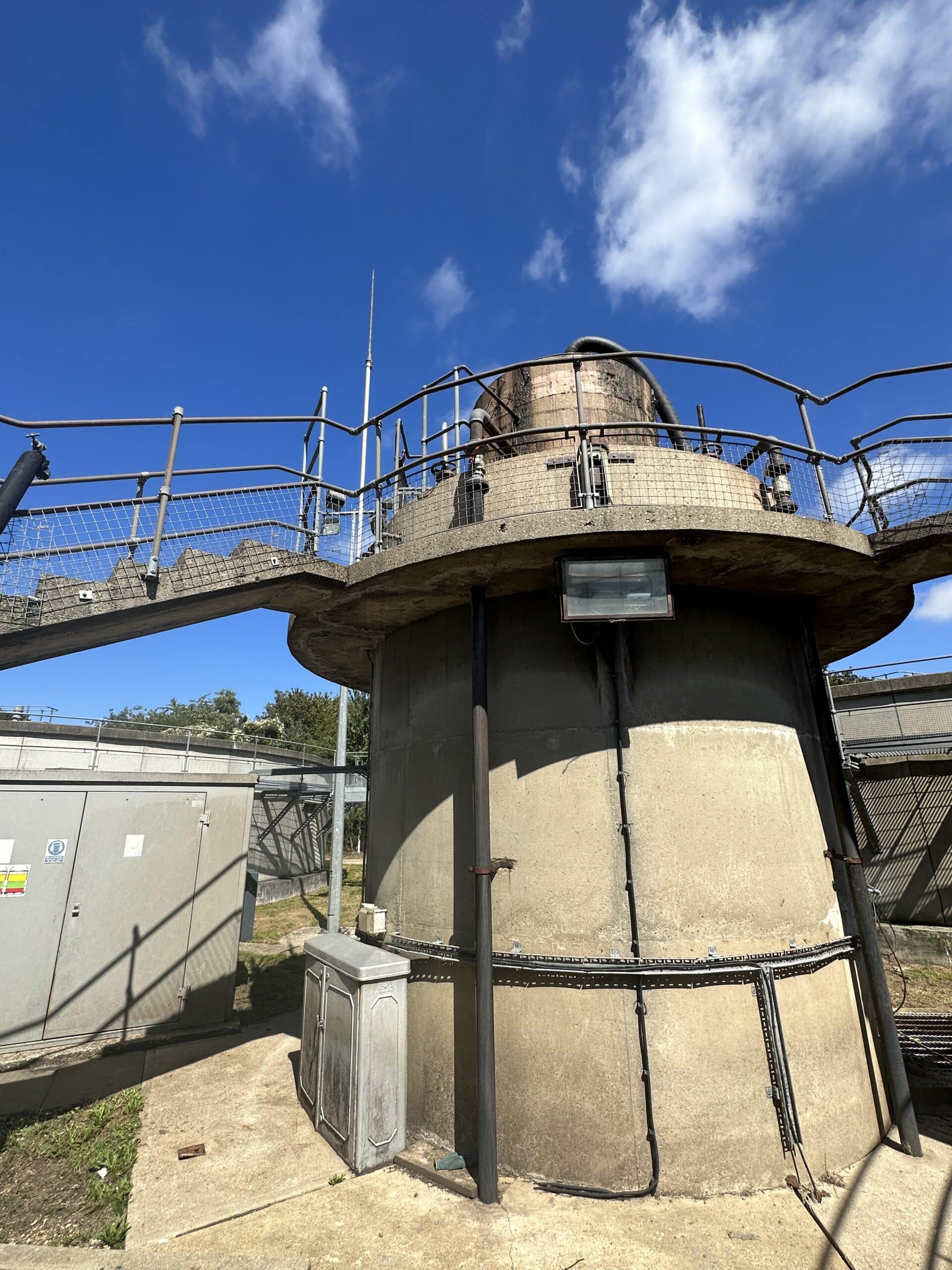
Structural degradation diagnostics – identifying the pathology of structural failure