Contact Us
If you have a commercial, industrial, infrastructure or heritage structural repair enquiry, contact us now. We will respond within one working day. Please note we do not provide services for domestic properties.

If you have a commercial, industrial, infrastructure or heritage structural repair enquiry, contact us now. We will respond within one working day. Please note we do not provide services for domestic properties.
Business enquiries:
Custodians, estate managers, architects and building surveyors responsible for historic commercial, civic, educational or ecclesiastical buildings face a distinct engineering challenge: preserving structural safety and weatherproofing without destroying historic fabric or breaching statutory heritage controls.
Whether managing a Grade I civic hall, a Grade II* timber-framed landmark, a listed commercial warehouse or a historic stone viaduct, applying modern construction habits to traditional buildings routinely causes more harm than the original defect. Dense cement mortars trap moisture, aggressive mechanical anchors shatter brittle masonry, and unconsented structural alterations carry criminal liability under UK heritage law.
At Structural Repair Solutions (SRS), we deliver non-intrusive diagnostics and sympathetic, minimum-intervention structural remediation across listed and historic estates throughout the UK. Here are the critical considerations to address before mobilising on site.
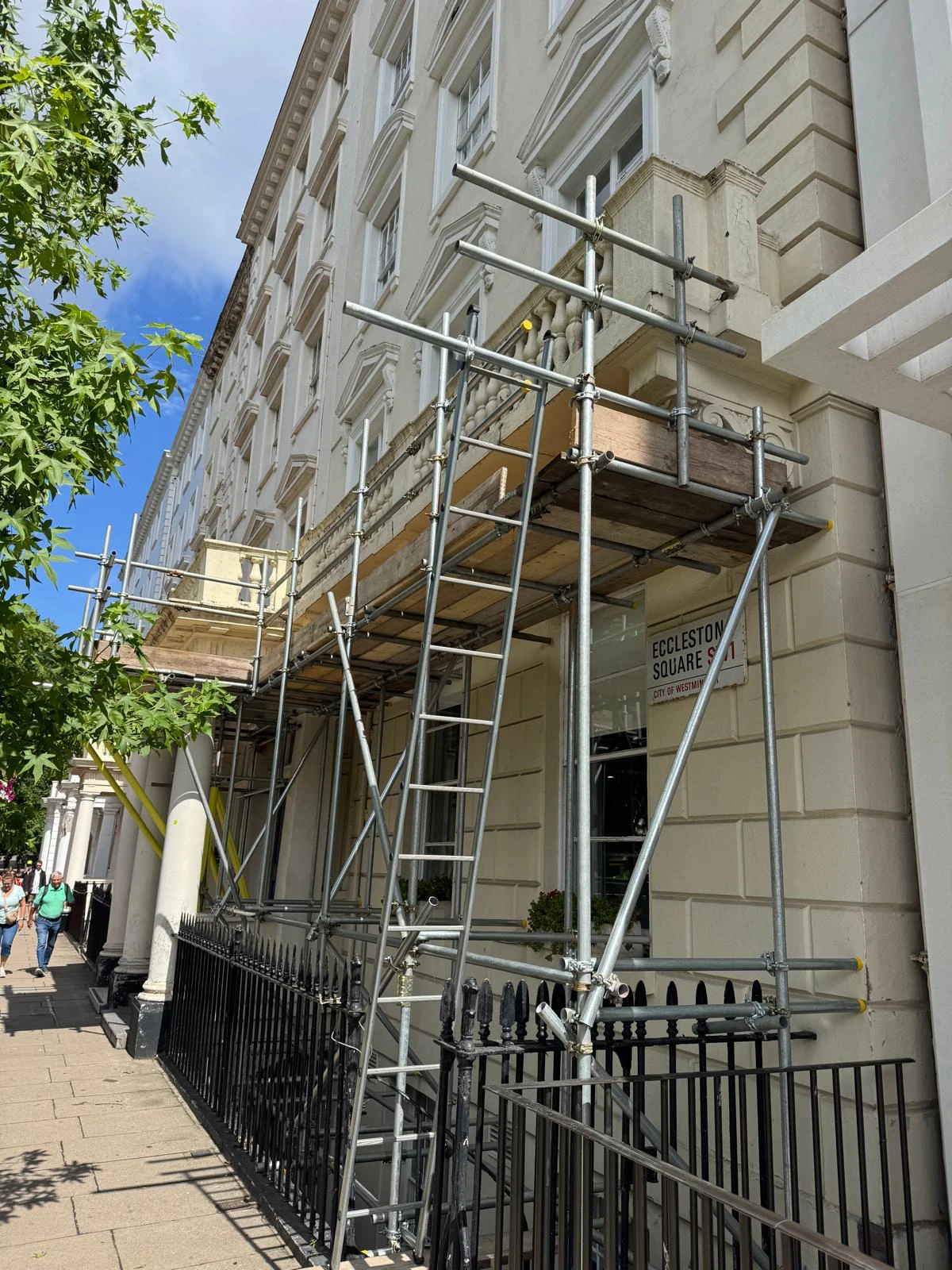
Structural Repairs to London Park School
Historic buildings frequently conceal complex alterations accumulated over centuries – unlisted steel insertions, lime-ash floors, rubble-filled wall cores, early cast-iron columns and jointed oak frames hidden behind panelling or limewash.
Breaking open historic finishes speculatively destroys irreplaceable fabric. Instead, modern conservation engineering starts with non-destructive testing (NDT) through our specialist investigation division (structuralscanning.com):
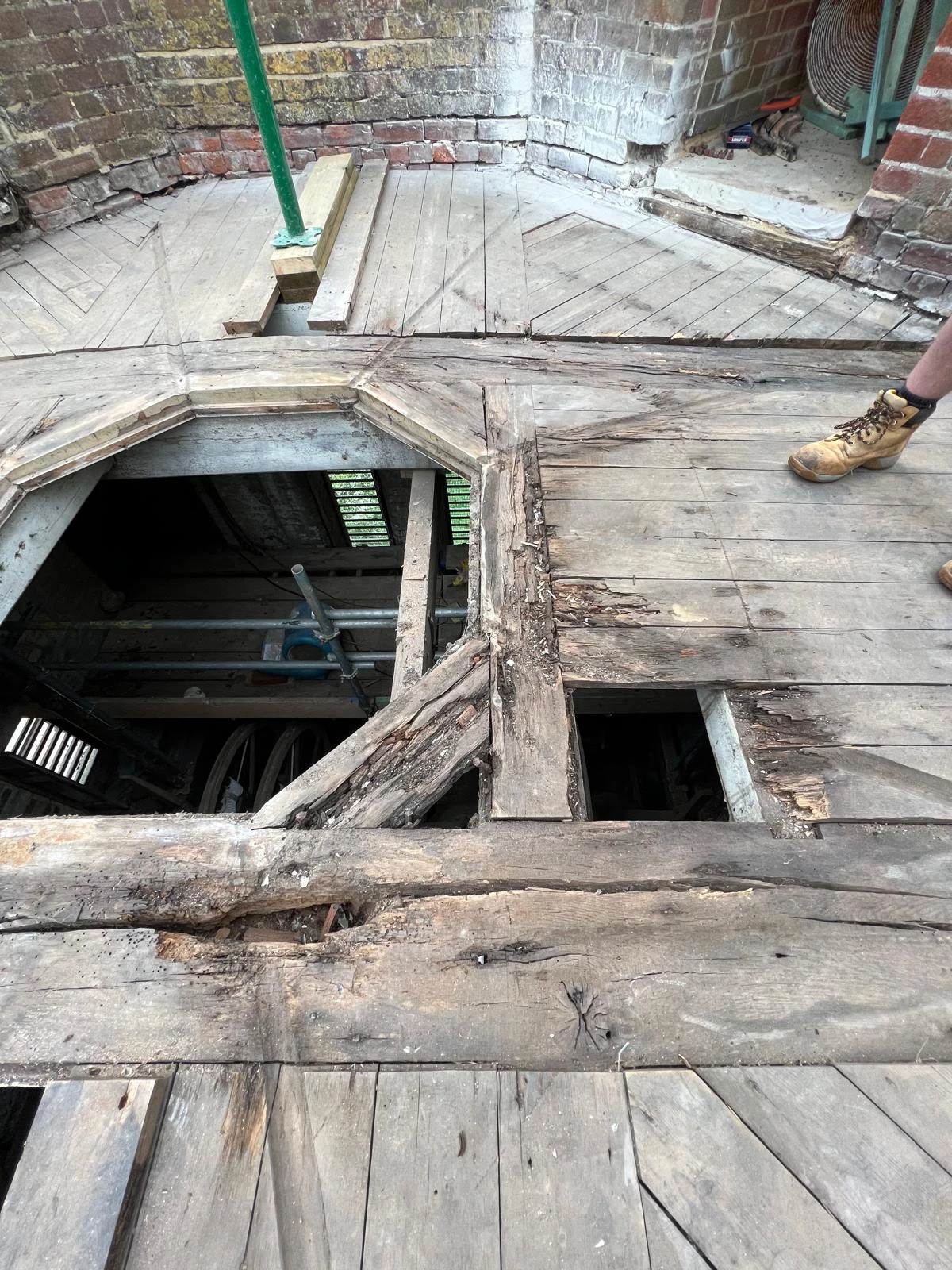
Historic Timber Repairs at Quex Park
At Structural Repairs, we are fortunate to work in some of the UK’s most iconic settings. One of our recent projects took us to the spectacular Dorney Lake in Windsor,…
A Much-Loved Treasure in Peril The Royal Corinthian Yacht Club is an internationally renowned Grade II* listed coastal landmark designed by pioneering modernist architect Joseph Emberton in 1931. As a…
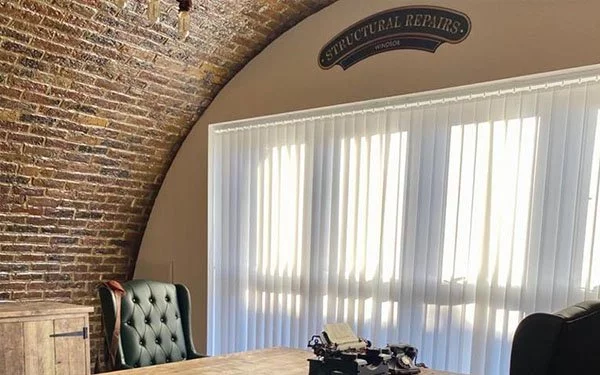
Office Archway Restoration Structural Repairs, Windsor Structural Repairs’ office space was beautifully and seamlessly integrated into one of Windsor’s iconic train station arches. This newly built office space boasts from…
In most cases, yes. While minor, strictly like-for-like maintenance may occasionally fall outside consent, any structural intervention – including masonry crack stitching, remedial wall ties, timber resin splicing, underpinning or changes to mortar specifications – alters historic fabric or structural behaviour and requires Listed Building Consent before work starts.
Portland cement is far harder and less vapour-permeable than traditional lime mortar. In solid-walled historic buildings,cement traps moisture inside the wall and prevents it from evaporating through the mortar joints, causing moisture to escape through the brick or stone face instead – resulting in spalling, frost damage and irreversible loss of historic masonry.
Non-destructive testing methods such as Ground Penetrating Radar (GPR), ultrasonic timber testing, resistance micro-drilling and 3D laser scanning allow engineers to locate voids, corroded ironwork and internal timber decay without stripping plaster, lifting historic floorboards or breaking out masonry.
Yes. Structural timber resin repair allows engineers to cut out only the decayed section – typically at wall bearings exposed to damp – and splice in matching seasoned timber using concealed stainless-steel or carbon-fibre reinforcement bonded with structural epoxy resin, preserving the original historic timber across the rest of the span.
Our approach to historic buildings is rooted in first-hand stewardship. Our own Windsor headquarters, The Cockpit, is a Grade II* listed 15th-century timber-framed landmark that required careful structural rehabilitation to preserve its medieval fabric for modern commercial use.
Working under strict listed-building oversight, our team combined condition-led diagnostics with sympathetic timber-frame conservation, breathable lime finishes and discreet structural stabilisation – retaining irreplaceable historic oak and wattle-and-daub detailing while ensuring long-term structural integrity.
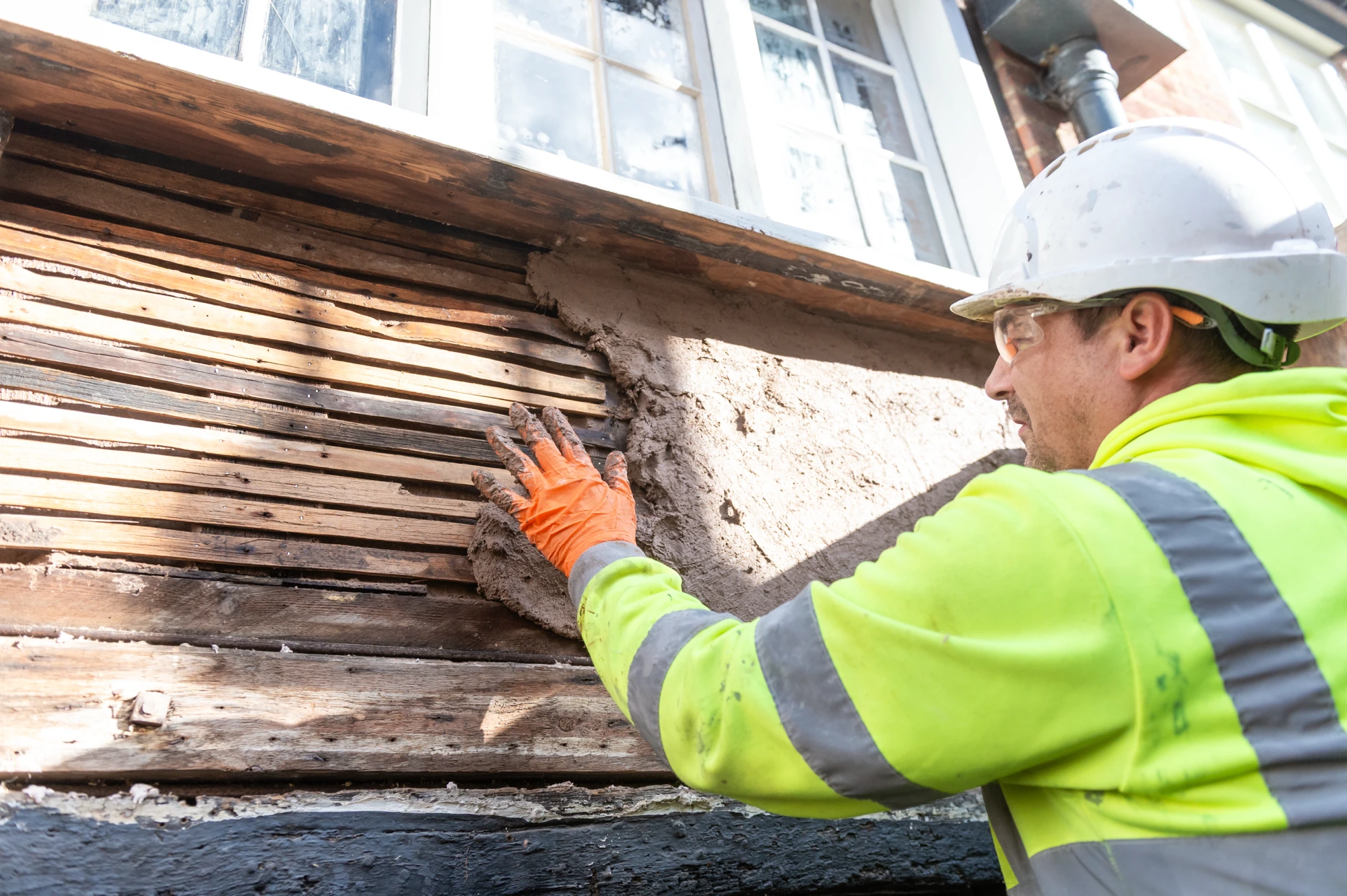
Historic buildings frequently conceal complex alterations accumulated over centuries – unlisted steel insertions, lime-ash floors, rubble-filled wall cores, early cast-iron columns and jointed oak frames hidden behind panelling or limewash.
Breaking open historic finishes speculatively destroys irreplaceable fabric. Instead, modern conservation engineering starts with non-destructive testing (NDT) through our specialist investigation division (structuralscanning.com).
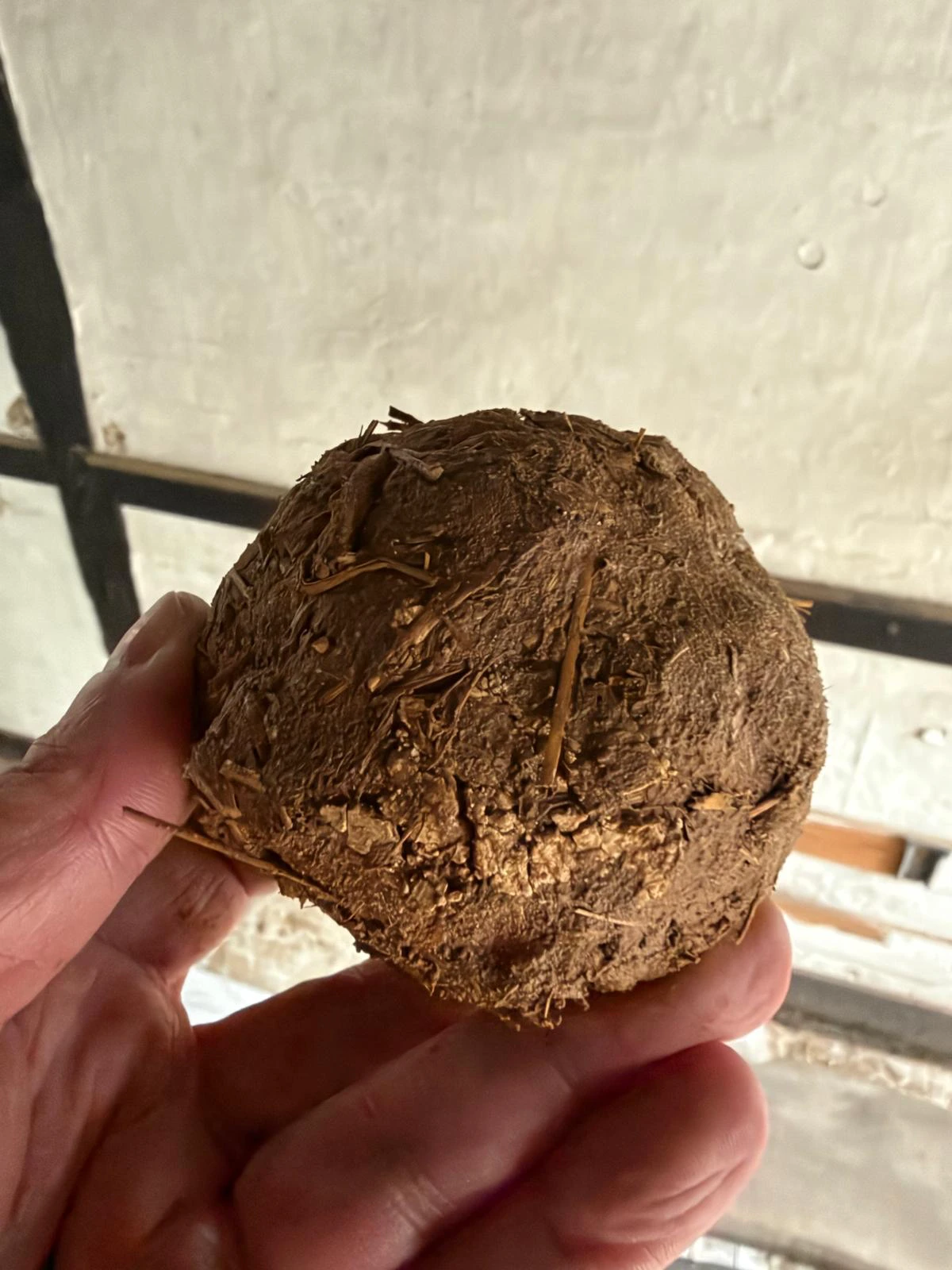
Cockpit recycling historic materials – preserving extraordinary integrity