Contact Us
If you have a commercial, industrial, infrastructure or heritage structural repair enquiry, contact us now. We will respond within one working day. Please note we do not provide services for domestic properties.

If you have a commercial, industrial, infrastructure or heritage structural repair enquiry, contact us now. We will respond within one working day. Please note we do not provide services for domestic properties.
Business enquiries:
On major new-build construction, commercial refurbishment and civil infrastructure programmes, schedule certainty is rarely lost to predictable critical-path activities. It is lost when an unexpected structural issue forces an immediate hold point – whether an unrecorded post-tensioning tendon or sub-slab void uncovered during refurbishment, or an early-age concrete defect, reinforcement clash or pour anomaly identified on a live new-build package.
Once critical-path works are interrupted, even a localised structural issue triggers a cascade of programme friction: stop-work notices, non-conformance reports (NCRs), temporary propping, structural redesign cycles and prolonged handover delays.
Programme protection shifts structural risk out of the critical path. By pairing forensic non-destructive testing (NDT) with low-intervention structural remediation, principal contractors, project directors and asset owners replace reactive breakout and guesswork with verified asset data and rapid, low-disruption engineering solutions.
Effective programme protection starts with establishing verified structural data before follow-on packages mobilise. Through our specialist investigation division (structuralscanning.com), Structural Repairs deploys multi-sensor NDT suites across both live construction sites and occupied estates with zero dust, noise or structural damage:
When NDT identifies a structural shortfall – whether a new-build design change, pour defect or deteriorated existing member – targeted, minimum-intervention remediation resolves the issue in a fraction of the time required for demolition and reconstruction:
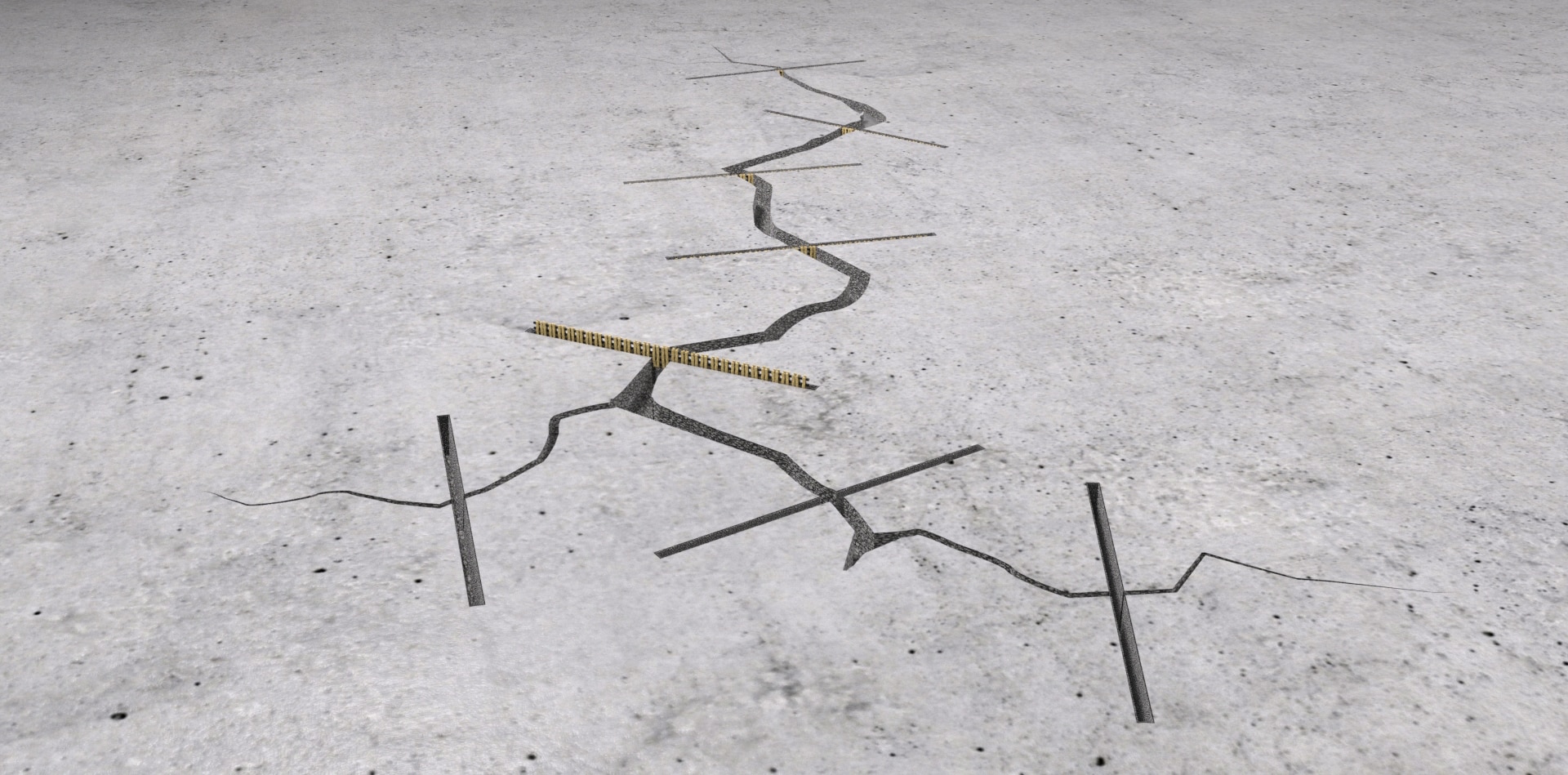
Crack Stitching
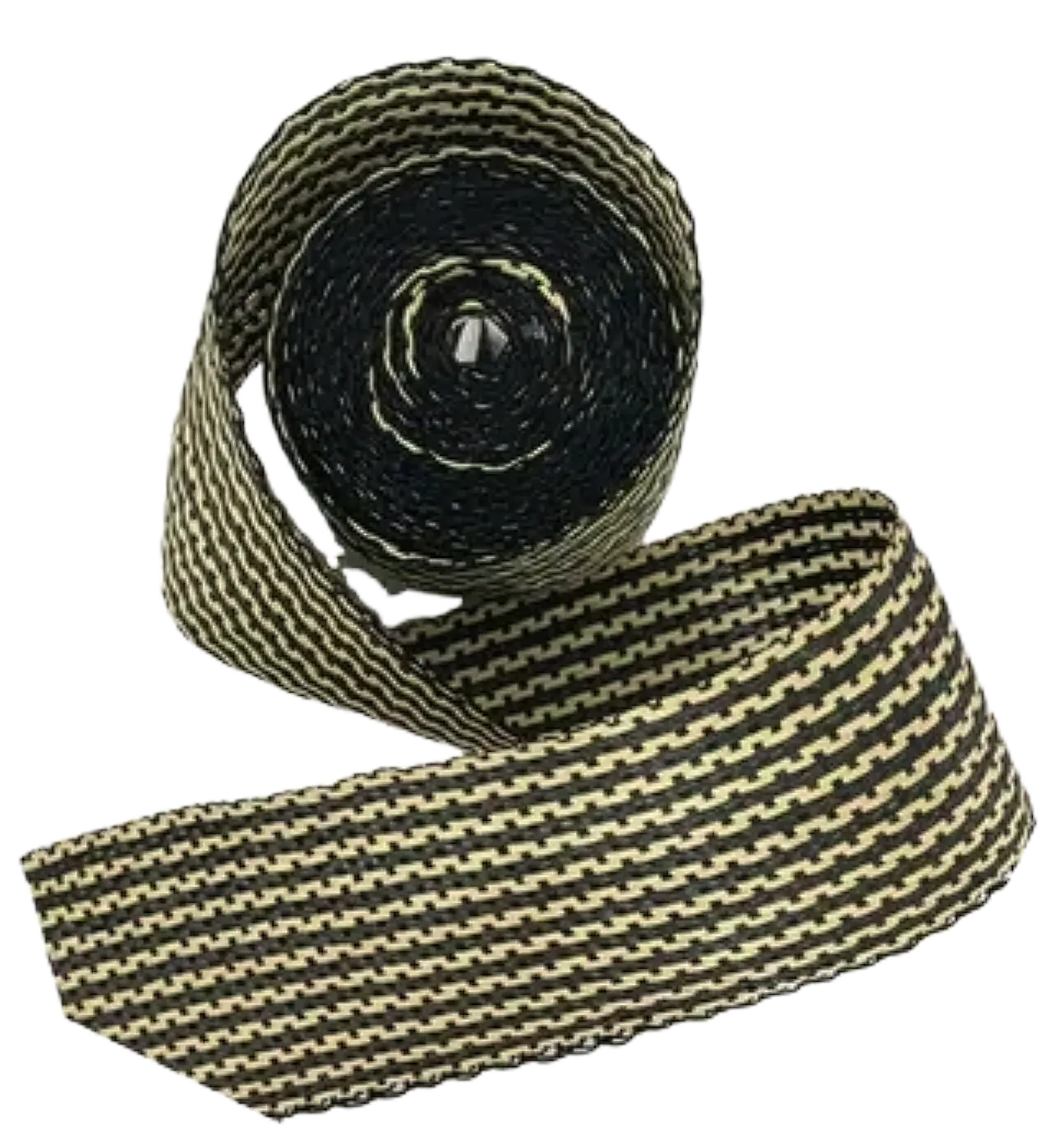
Carbon fibre reinforcement
The sharpest programme gains occur when the team investigating the structure is directly accountable for remediating it. Dividing diagnostics and repair across separate suppliers creates specification gaps, commercial hand-off delays and disputed site conditions.
By combining forensic NDT investigation (structuralscanning.com) with in-house specialist structural remediation (structuralrepairs.com), SRS gives principal contractors and project teams a single technical partner – turning verified diagnostic data directly into fixed-scope, low-disruption engineering programmes.
On new-build projects, upfront NDT verifies rebar cover, post-tensioning duct locations, slab thickness and concrete compaction to clear quality hold points without destructive coring. If a design change, loading increase or localised pour defect occurs, low-intervention methods such as CFRP strengthening or structural resin injection resolve the issue without demolishing newly cast concrete or delaying follow-on trades.
On refurbishment and acquisition projects, ideally during RIBA Stages 2–3 before design freeze and strip-out. On new-build schemes, NDT should be built into pre-coring checks, post-pour quality assurance and pre-handover verification (‘structural birth certificates’) before critical-path follow-on packages mobilise.
Low-intervention techniques – such as CFRP plate bonding, structural resin injection, helical crack stitching and geopolymer slab stabilisation – avoid mass concrete breakout, heavy temporary propping, wet-trade curing delays and major spoil removal, compressing weeks of disruptive structural works into days or short weekend possessions.
Yes. GPR, ultrasonic scanning and 3D laser surveys generate zero dust, vibration or structural disruption, while low-intervention repair methods are clean, compact and fast-curing – allowing works to run safely alongside other construction trades or inside live, occupied facilities without shutdowns.
Speak with our engineering team on 0300 030 1822 or email [email protected] to discuss NDT diagnostics and low-intervention remediation.