Contact Us
If you have a commercial, industrial, infrastructure or heritage structural repair enquiry, contact us now. We will respond within one working day. Please note we do not provide services for domestic properties.

If you have a commercial, industrial, infrastructure or heritage structural repair enquiry, contact us now. We will respond within one working day. Please note we do not provide services for domestic properties.
Business enquiries:
One of the UK’s leading structural repairs experts has shared his advice on how best to deal with subsidence, as claims hit a record high.
The average UK subsidence claim hit a record £20,000 in the second quarter of 2026, according to the Association of British Insurers (ABI). That’s more than £2,000 higher than the same period last year, with insurers paying out £72 million on domestic subsidence claims in the quarter alone.
The ABI puts the rise down to the warmest spring on record in England and Wales and the dry weather that followed, which increases the risk of ground movement.
But according to subsidence expert Roger Line, one of the UK’s leading authorities on structural repair and founder and CEO of Structural Repairs, the subsidence figures only tell part of the story. He said:
“Subsidence always gets treated as its own category whenever numbers like that come out, and honestly I understand why, it’s the one with a price tag attached. But dry ground doesn’t just move foundations. It dries out timber, it opens up lintels, it puts pressure on wall ties.
“Sideways sloping, cracking around doors and windows, cracks running through brickwork, ceilings and floors: if you’re seeing any of that this year, don’t put it down to ordinary wear and tear. A surveyor needs to confirm it first, and depending on severity, the usual remedies are crack stitching or full underpinning.
Four other problems come round just as often as subsidence does, and they get missed for a much simpler reason, and nobody acts until something looks serious.”
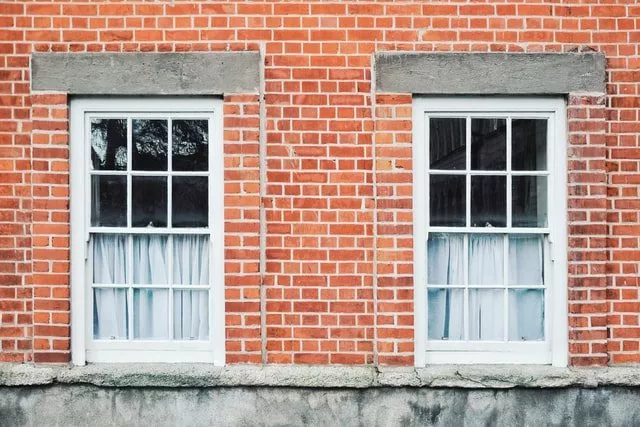
Minor visual anomalies may indicate underlying structural risks.
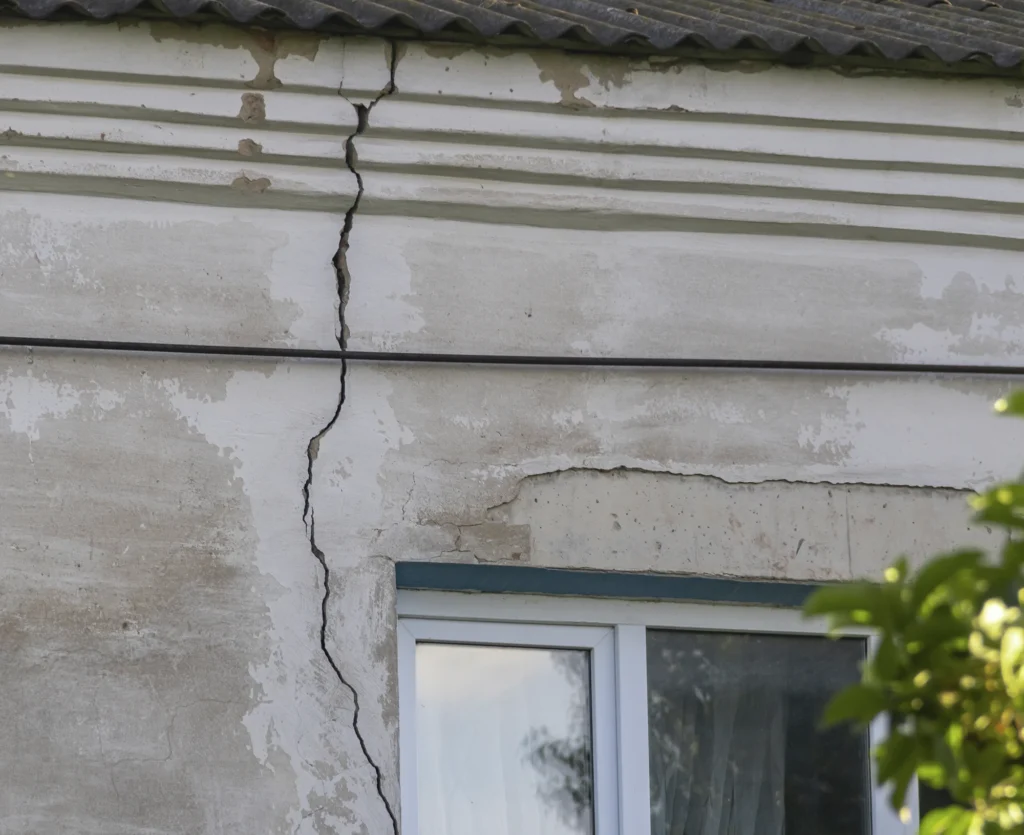
“The first sign here rarely shows up where the actual damage is, which is why people miss it. A stepped or diagonal crack in the top corner of a window, brickwork starting to bulge above a door, that’s the masonry telling you the beam behind it has already given way. A professional will look at what the lintel’s made from and how far gone it is before he says whether it needs repairing or replacing, but the earlier that call comes in, the more options there are.”
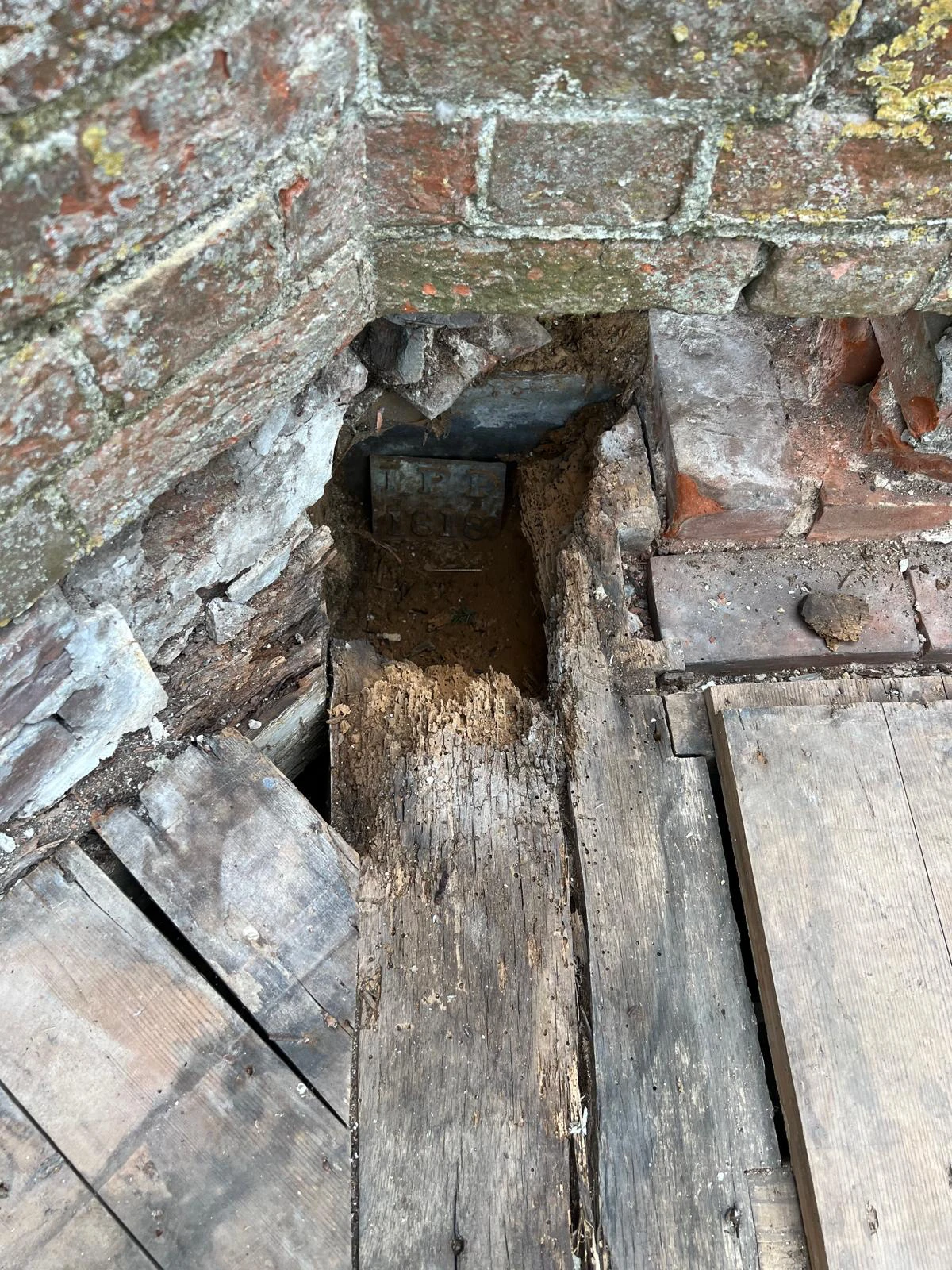
“Someone spots a soft patch or a bit of warping and assumes it’s a repaint job, when it’s actually beetle or woodworm activity that’s been going on for years. Resin repair is usually the better route rather than pulling the timber out altogether. It doesn’t touch the appearance of the wood that’s still sound, or the plaster and brickwork around it, and ripping out original timber tends to do more collateral damage than the rot itself ever did.”
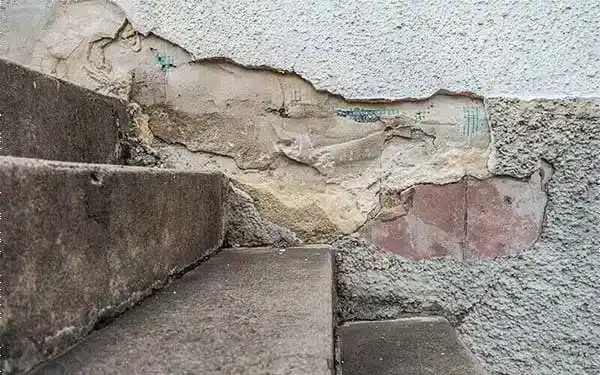
“If there’s one thing I’d want homeowners to stop doing, it’s painting over the symptom.”
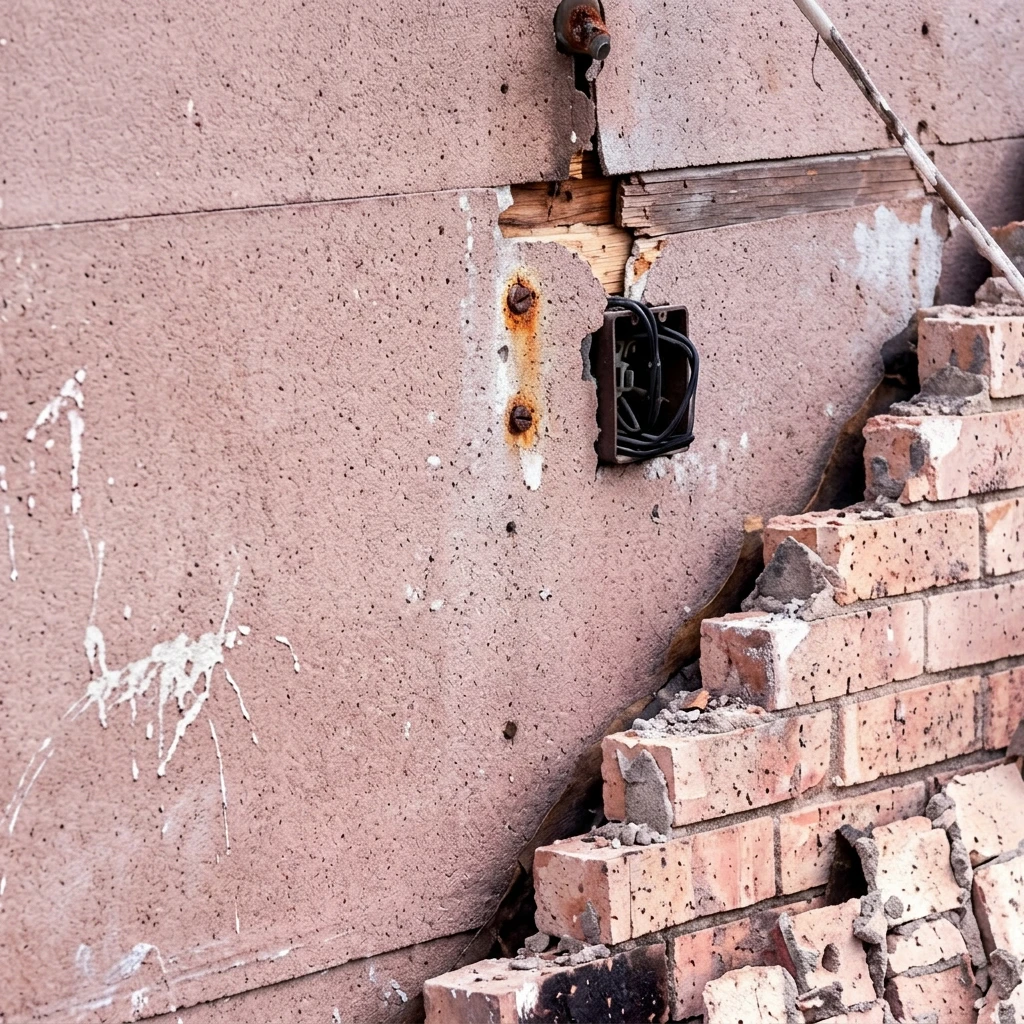
“Nobody thinks about wall ties until a survey flags them, usually when a sale’s on the line. You genuinely can’t see them from inside the house, so a metal detector is used to locate the existing ties before anything else happens. Once their position is known, new ties are added to supplement them rather than replacing the lot from scratch.”
“All of these problems are about timing. A hot, dry year puts a house under pressure from several directions at once, and hardly any of it looks urgent at first.
“My advice is to get it looked at while it’s still a hairline crack, not once it’s a quote for underpinning. Every one of these problems is cheaper and simpler to deal with early, and every one of them gets harder to ignore the longer it’s left.”
Roger Line is one of the UK’s leading authorities on heritage and commercial structural preservation. As the founder and CEO of Structural Repairs, he has spent his career pioneering advanced, minimally invasive techniques to stabilise and restore failing structures. His engineering philosophy centres on rescuing rather than replacing original materials – an approach that has secured the integrity of countless residential, commercial and historical assets across the country.