Contact Us
If you have a commercial, industrial, infrastructure or heritage structural repair enquiry, contact us now. We will respond within one working day. Please note we do not provide services for domestic properties.

If you have a commercial, industrial, infrastructure or heritage structural repair enquiry, contact us now. We will respond within one working day. Please note we do not provide services for domestic properties.
Business enquiries:
Spalling concrete is a pervasive issue that plagues structures worldwide, often lurking beneath the surface until it becomes a visible and dangerous problem. This phenomenon, where concrete cracks and flakes away from the underlying substrate, poses significant risks to the integrity and safety of buildings, bridges, and other concrete structures.
A stark reminder of this threat recently made headlines across the UK. The Department for Education (DfE) in England instructed 104 schools and colleges to partially or fully close buildings at risk, mere days before the start of a new academic year. The culprit? Reinforced Autoclaved Aerated Concrete (RAAC), a lightweight material used in construction between the 1950s and 1990s, now known to be prone to sudden collapse. This crisis has led to widespread disruption, with schools scrambling to find alternative accommodations and ensure student safety.
Sarah Skinner, CEO of Penrose Learning Trust, which oversees three affected schools, described the situation as “incredibly challenging”. With dozens of classrooms, gyms, and even kitchens out of use, schools are resorting to temporary structures and marquees to continue operations. This real-world example underscores the critical importance of understanding and addressing spalling concrete and related structural issues.
In this comprehensive guide, we’ll explore the causes and consequences of spalling concrete, and why regular inspections and timely repairs are crucial for maintaining the longevity and safety of our built environment. Understanding spalling concrete is the first step in preventing potentially catastrophic structural failures and ensuring the continued reliability of our concrete infrastructure.
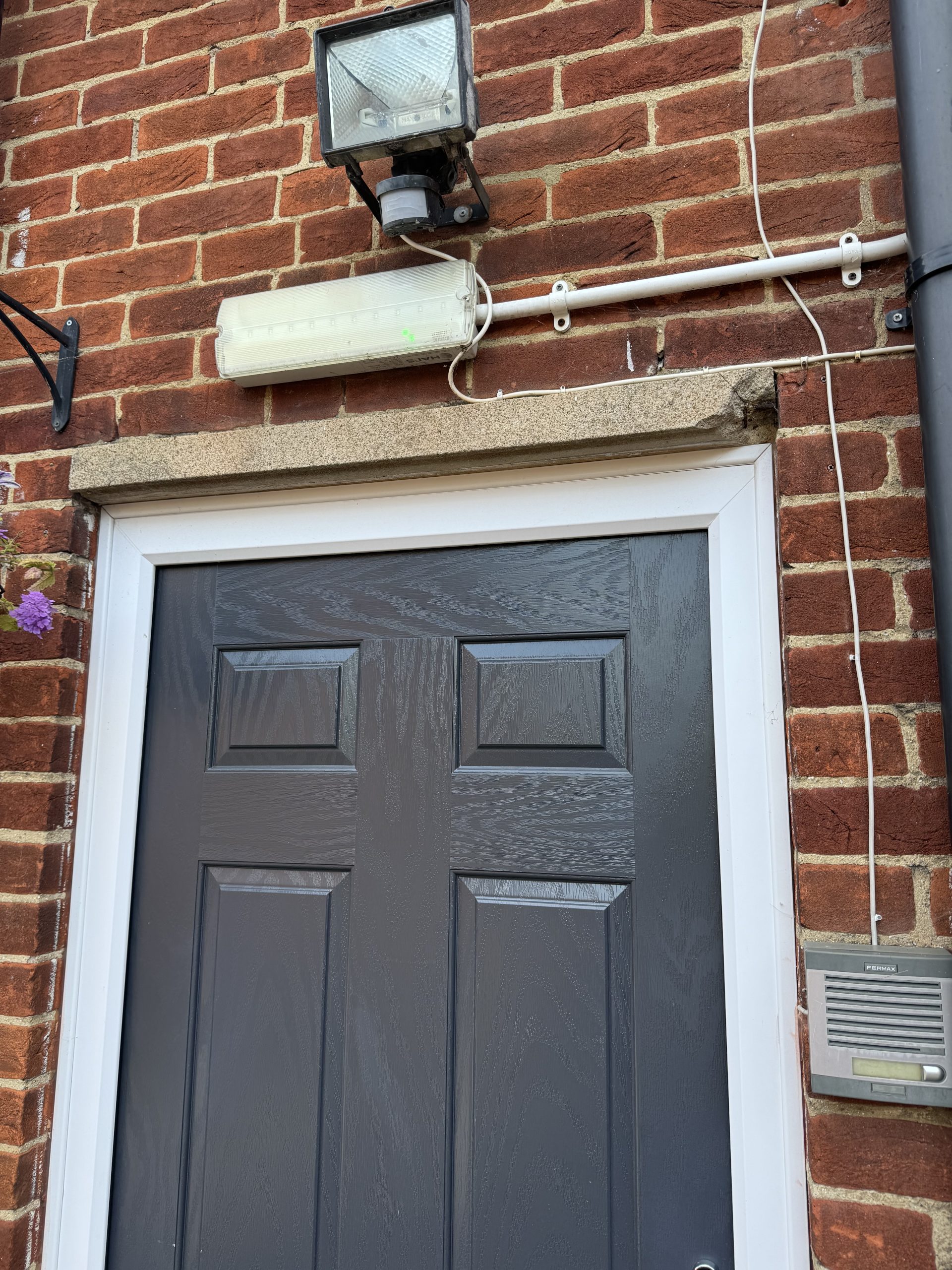
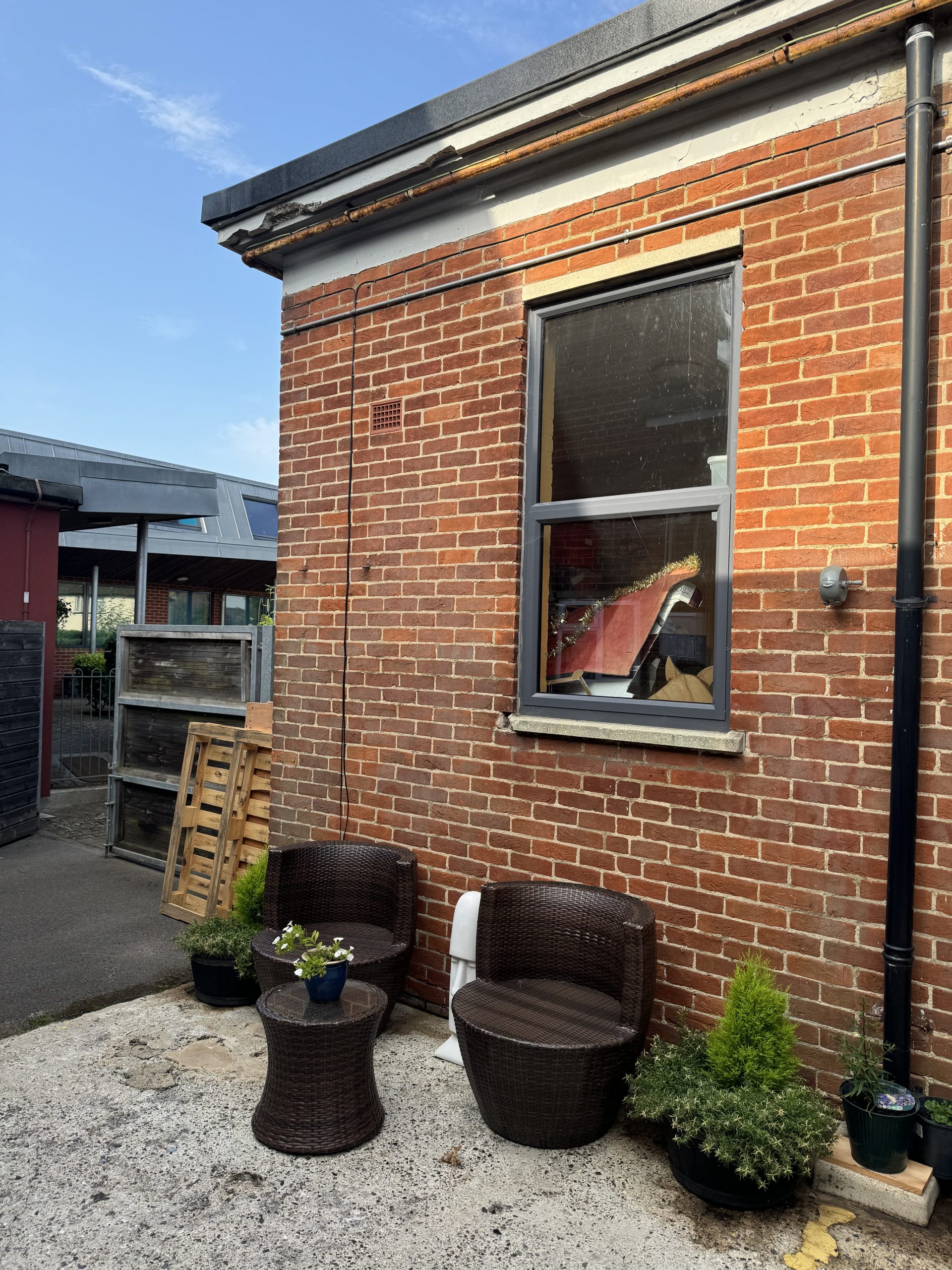
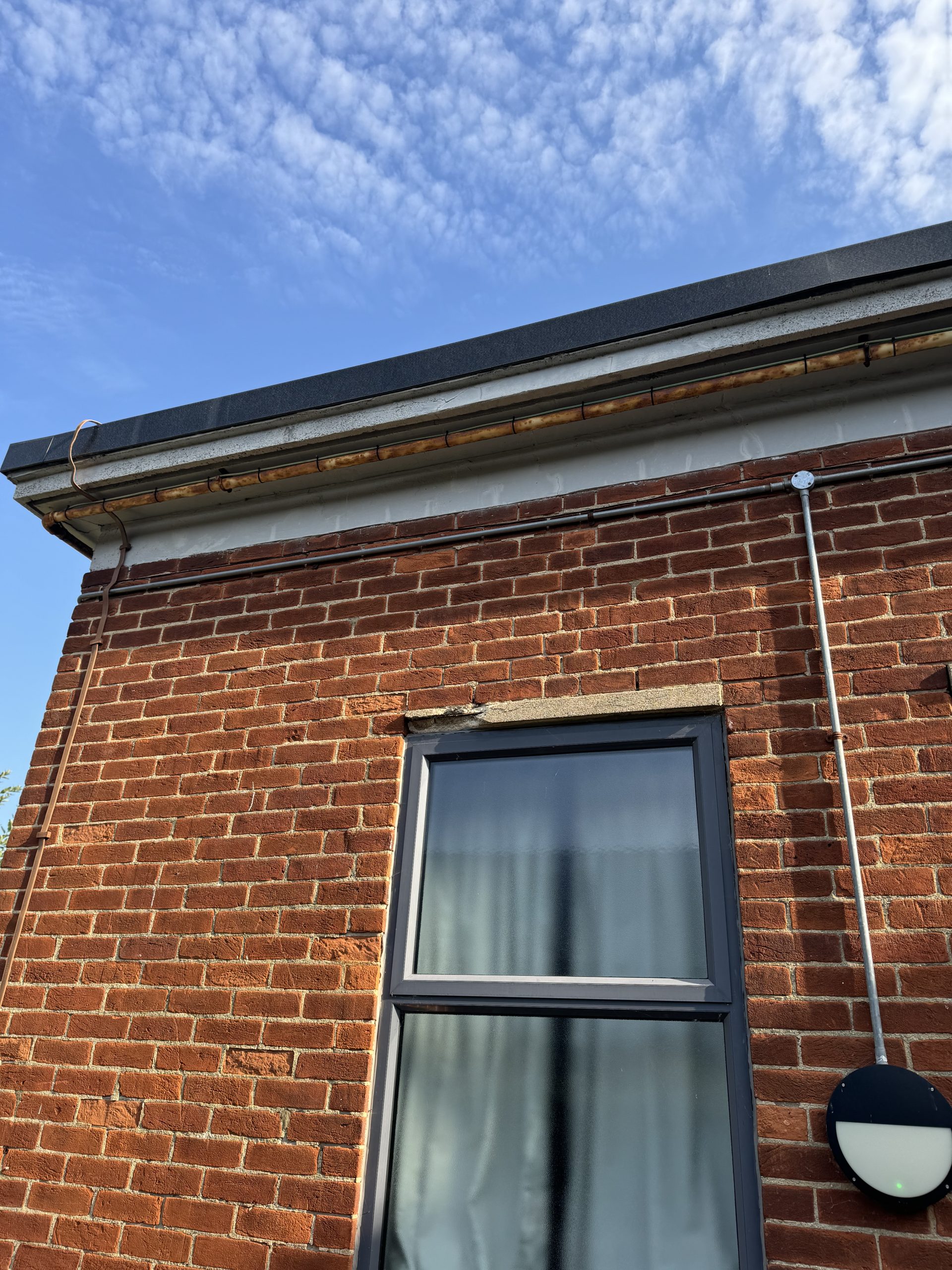
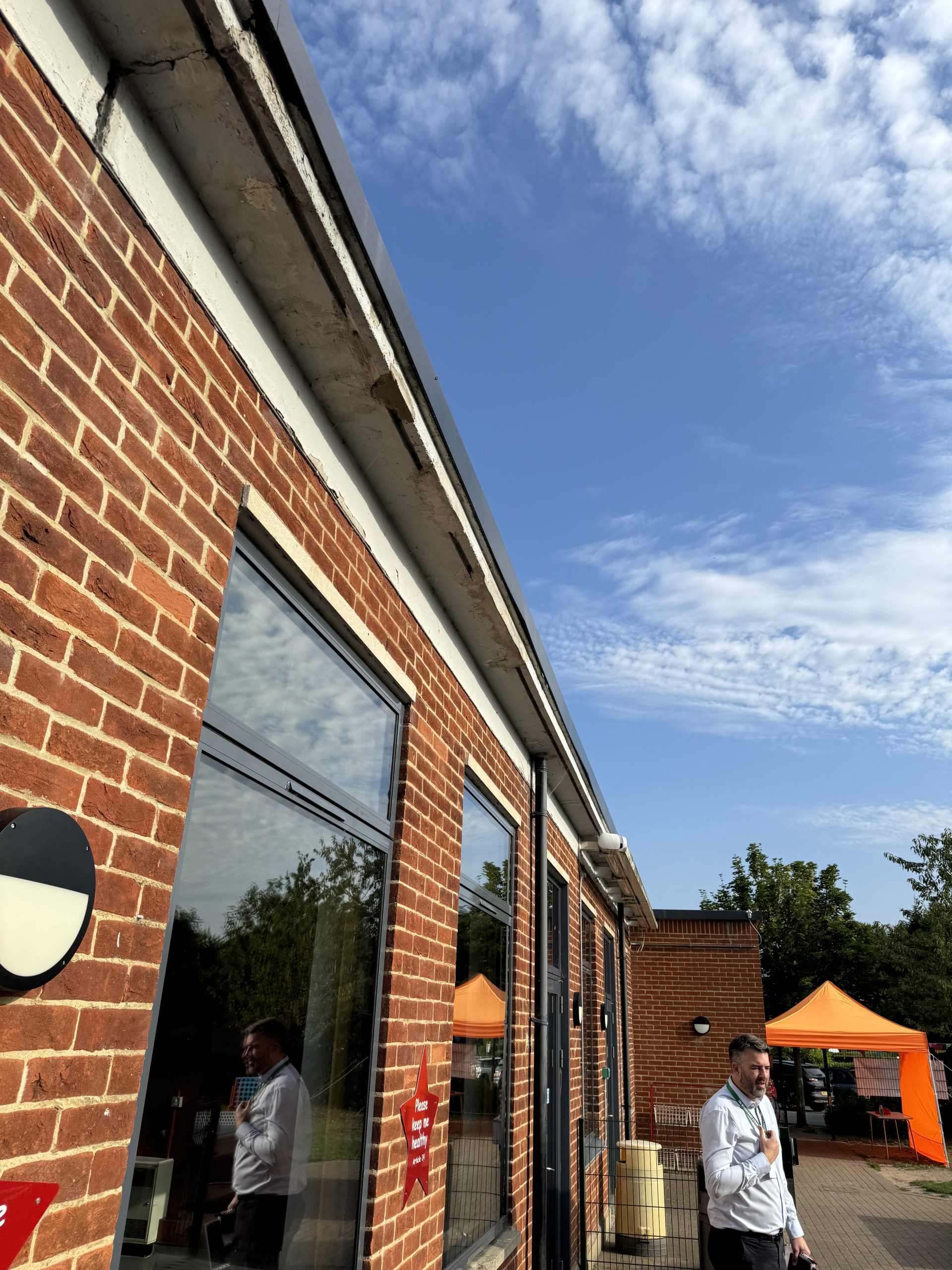
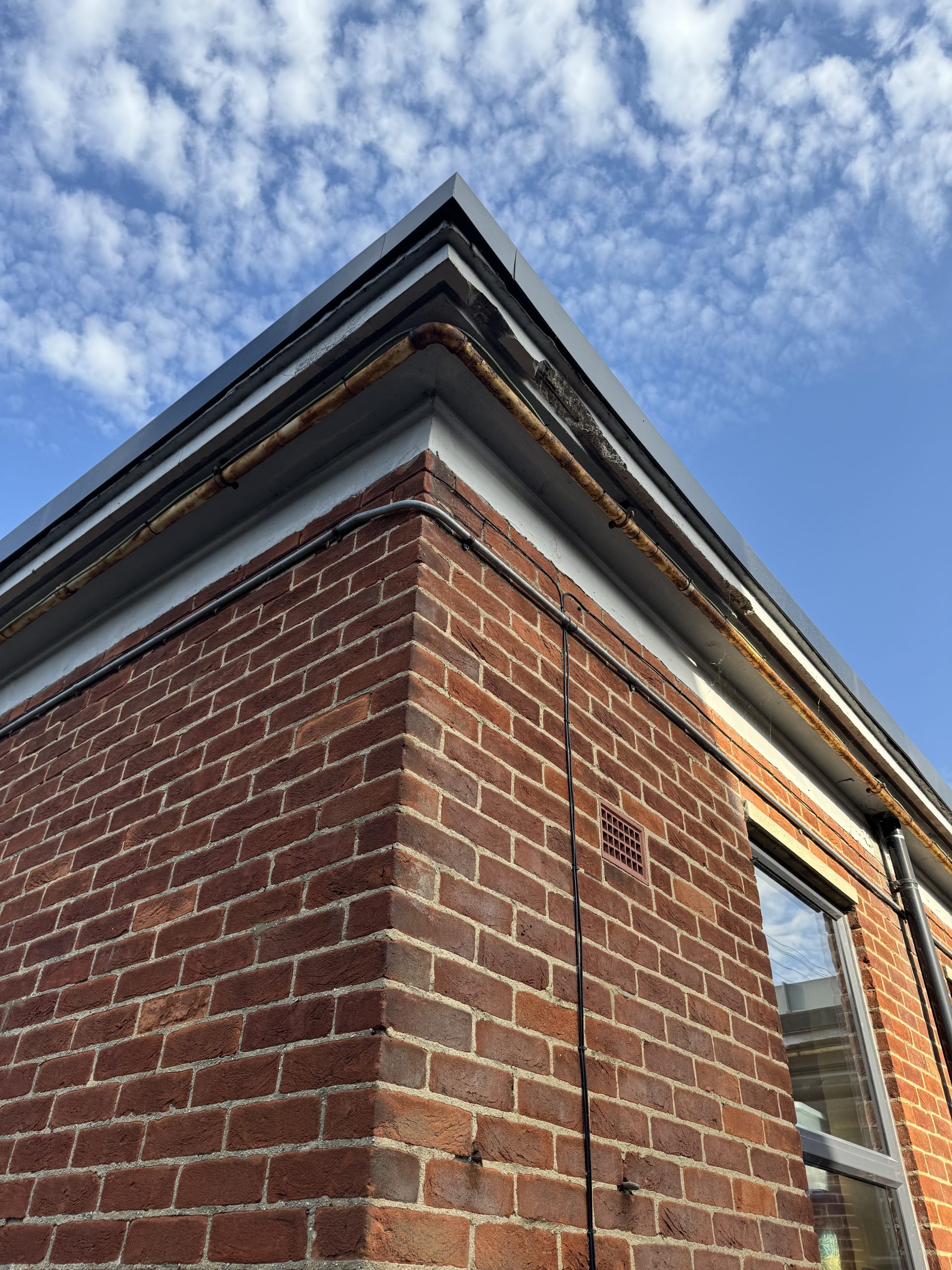
Several factors can contribute to these issues:
Failing to address these issues can lead to a host of problems:
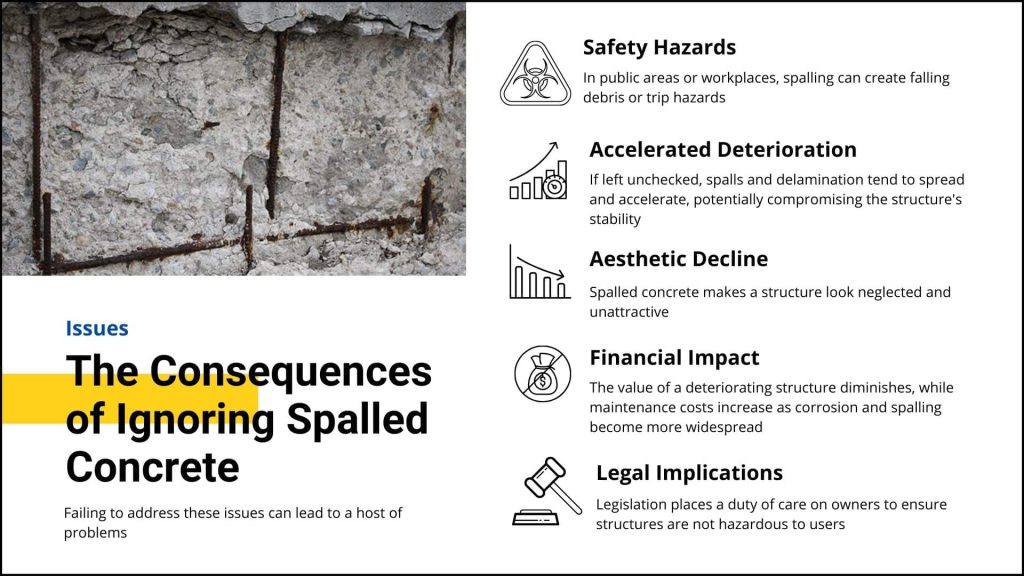
Given the potential consequences of spalling and delamination, regular concrete surveys are crucial for structural integrity and safety.
These assessments can:
Prevent Costly Repairs: Early detection and intervention can save significant money in the long run.
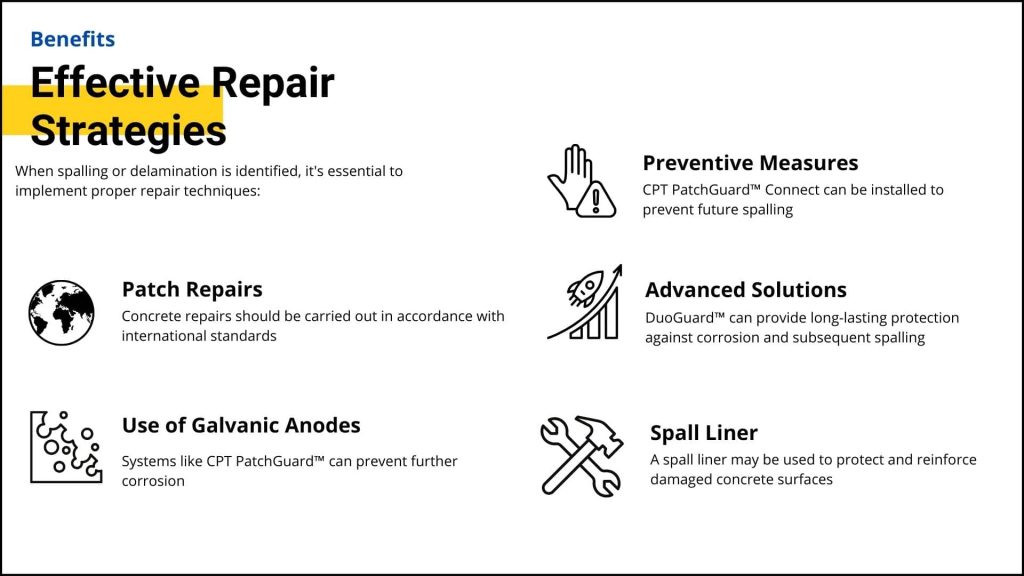
When spalling or delamination is identified, it’s essential to implement proper repair techniques:
Spalling and delamination threaten structural integrity. Regular maintenance ensures safety, longevity, and value, preventing costly failures and future risks.
Don’t wait for visible signs of damage to appear. Contact a professional concrete repair specialist today to schedule a comprehensive survey of your structure. Remember, when it comes to spalling and delaminated concrete, prevention is always better – and more cost-effective – than cure.