Contact Us
If you have a commercial, industrial, infrastructure or heritage structural repair enquiry, contact us now. We will respond within one working day. Please note we do not provide services for domestic properties.

If you have a commercial, industrial, infrastructure or heritage structural repair enquiry, contact us now. We will respond within one working day. Please note we do not provide services for domestic properties.
Business enquiries:
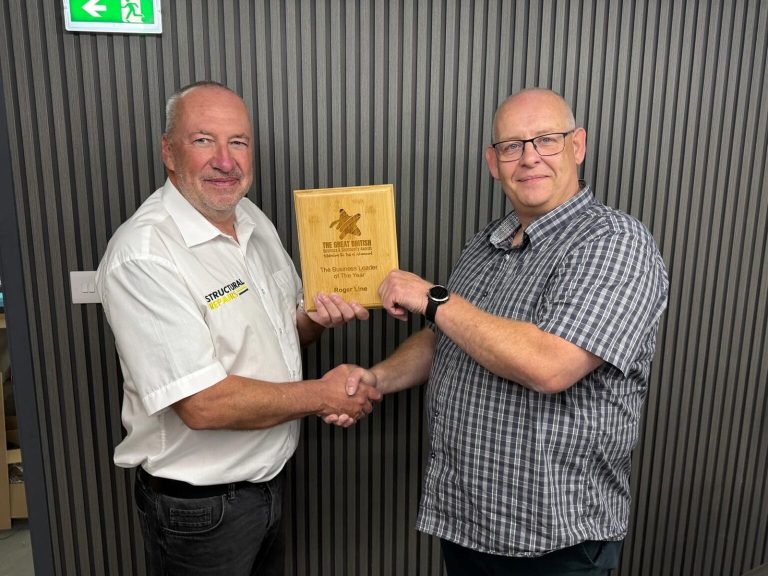
Windsor-based infrastructure specialist Structural Repairs has achieved an exceptional double victory on the national stage, taking home two major national business awards that recognise both its rapid growth and the inspirational leadership of its founder, Roger Line. In quick succession, the company…

Structural Repairs is delighted to announce that it has achieved a perfect 100% score across every metric in its latest Achilles UVDB Verify audit, carried out last week. The Achilles UVDB Verify audit is the UK utility sector’s most recognised supplier assurance programme, providing…
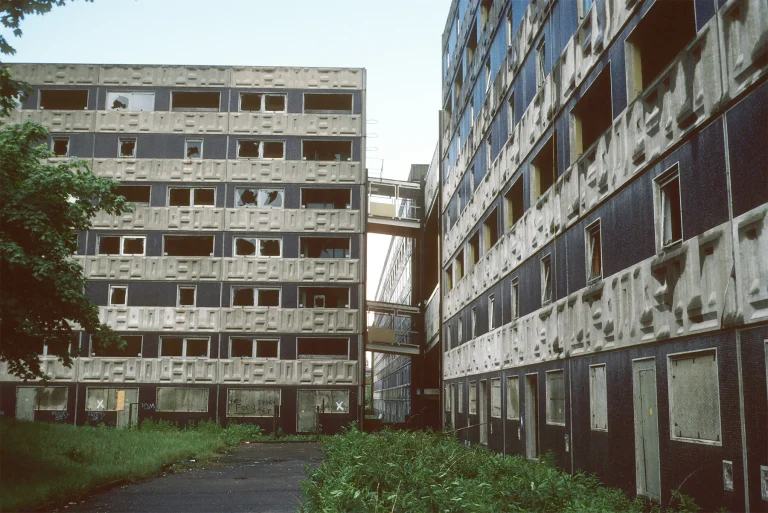
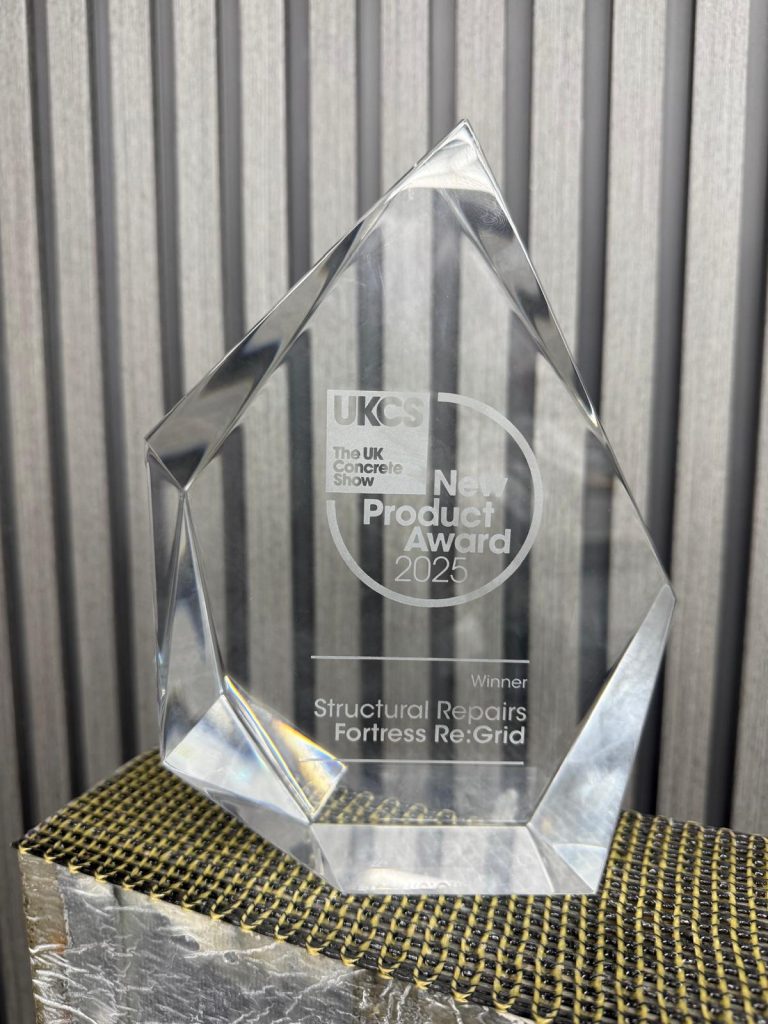
An ‘award-winning’ building material made from Kevlar could be used to save hundreds of Scottish homes blighted by crumbling concrete.
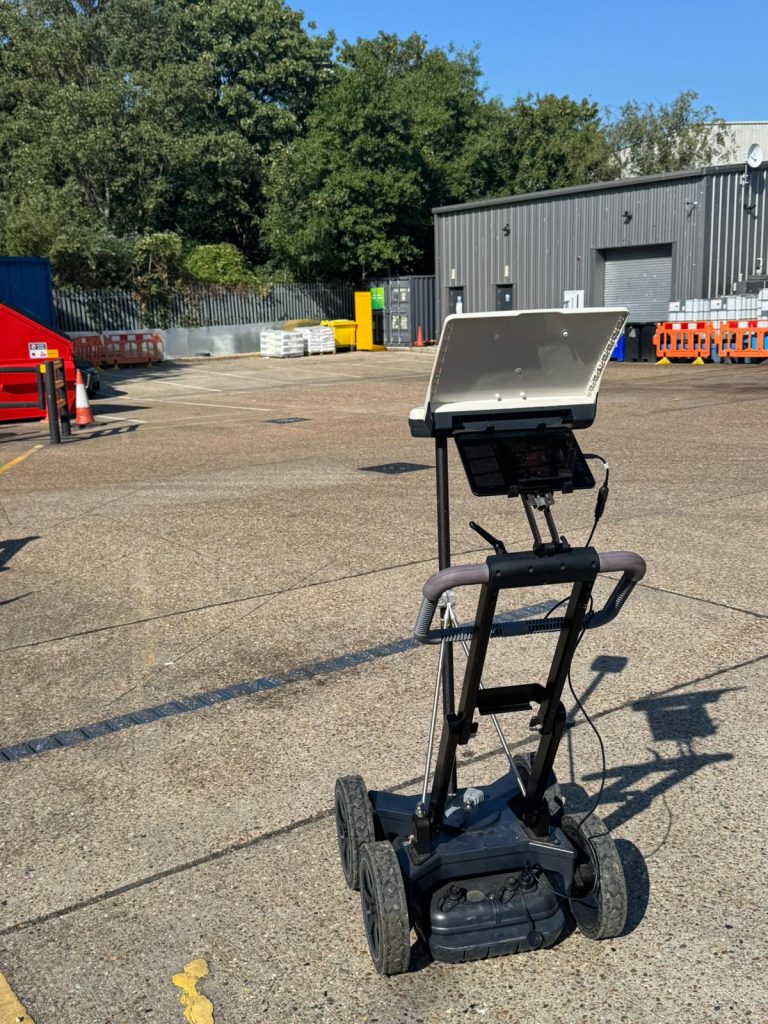
When you're responsible for maintaining critical infrastructure—whether it's a commercial building, bridge, or utility network—you need reliable data. But often, that data is hidden beneath concrete, asphalt, or earth. That’s where Ground Penetrating Radar (GPR) comes in.
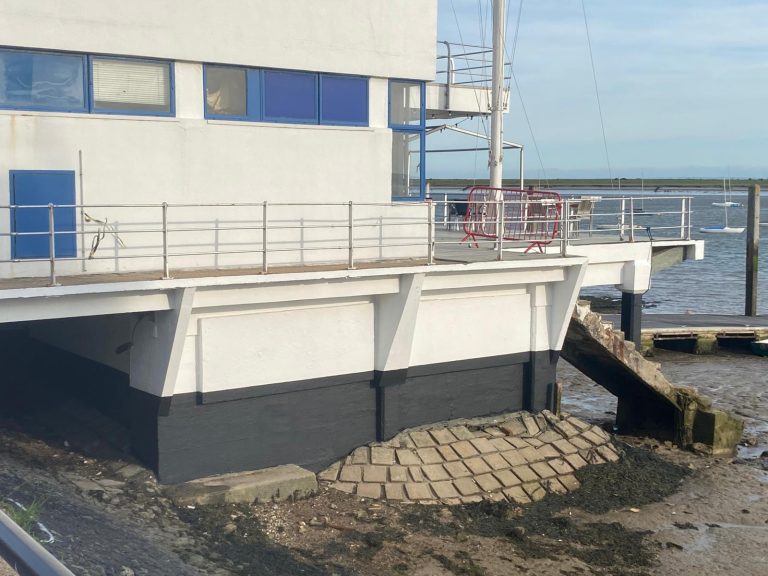
At Structural Repairs, we recently completed a specialised concrete restoration project at the Royal Corinthian Yacht Club in Burnham-on-Crouch. This work involved not only identifying critical damage through detailed structural surveying and scanning, but also navigating a tidal marine environment…
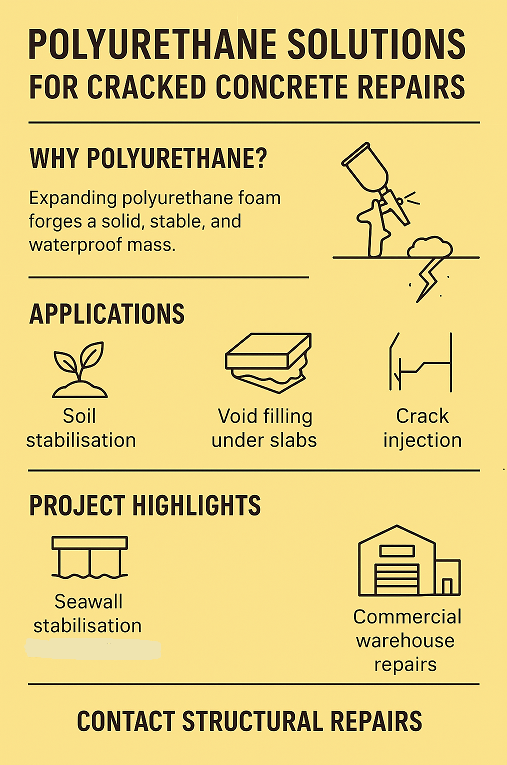
When it comes to reliable, long-term solutions in the field of structural rehabilitation, polyurethane has emerged as one of the most effective materials for stabilizing foundations, sealing cracks, and extending the lifespan of infrastructure. At Structural Repairs Ltd., polyurethane-based technologies have been instrumental in solving complex issues across residential, commercial, and civil engineering sectors.
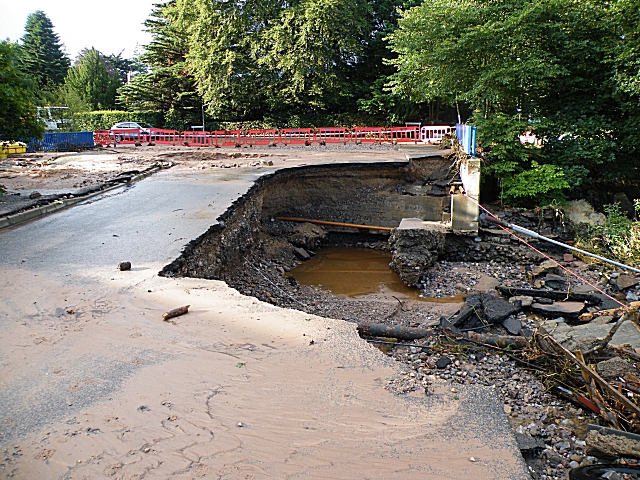
Sinkholes can appear without warning. They disrupt infrastructure, endanger safety, and cost businesses millions. Across the UK, they're becoming more frequent—especially in areas with chalk, limestone, or inconsistent water drainage. But here's the good news: many of these risks can be mitigated with the right expertise and repair strategy.
Modern Methods of Construction (MMC) refer to innovative building techniques that aim to improve productivity, efficiency, and sustainability in the construction process. These methods diverge from traditional building techniques by leveraging off-site manufacturing, advanced materials, digital design tools, and integrated systems.
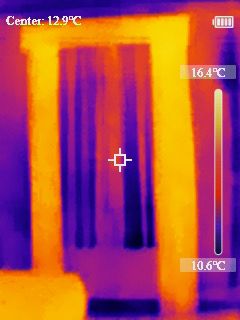
As a hotel owner or operator, maintaining guest comfort while keeping operational costs in check is an ongoing challenge. One of the hidden culprits behind rising costs is energy inefficiency—cold rooms, poor insulation, and outdated HVAC systems that waste energy…
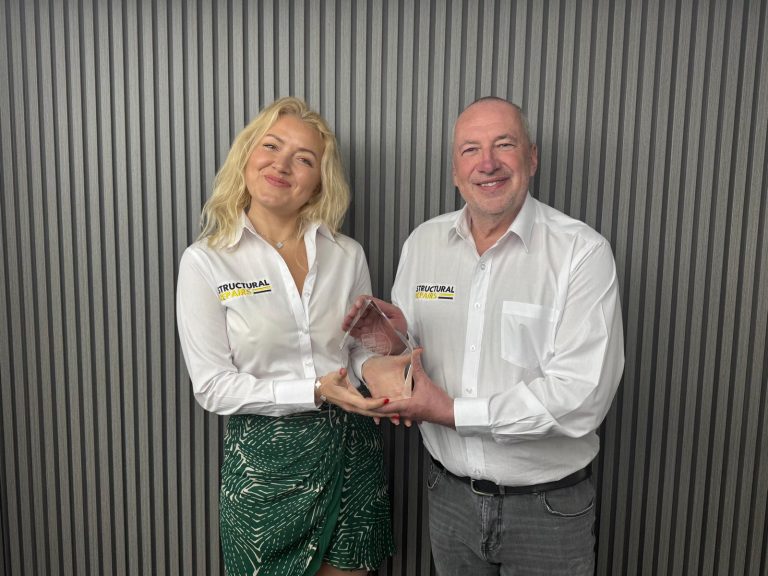
The UK is undergoing a strategic transformation in infrastructure investment, with government initiatives redefining the construction landscape. From major transport links to energy security projects and urban redevelopment, this movement creates unprecedented opportunities for contractors, developers, and engineering firms. The construction sector is no longer just about building—it's about delivering resilient, compliant, and future-ready solutions.
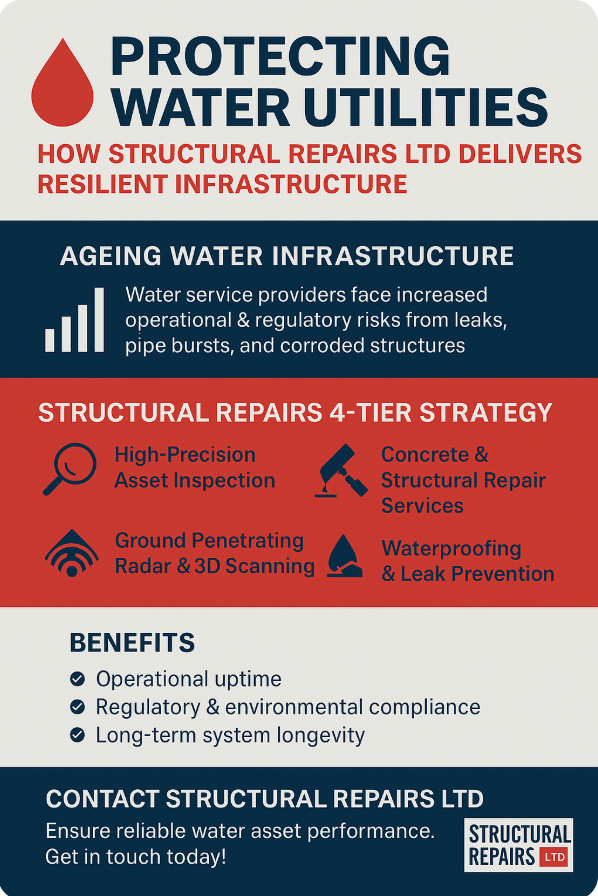
Water utilities are among the most vital components of a nation’s infrastructure. They provide clean water, support public health, and enable economic activity. However, the aging condition of much of the UK’s water infrastructure puts this critical service at risk.…
Concrete is the backbone of modern infrastructure. Yet even the most robust concrete structures suffer wear and degradation over time. Businesses need a reliable partner who not only understands the science of concrete repair but also delivers lasting solutions with minimal disruption. Structural Repairs Ltd stands out as the UK’s leading provider in this space—bringing innovation, experience, and proven success to the table.