Contact Us
If you have a commercial, industrial, infrastructure or heritage structural repair enquiry, contact us now. We will respond within one working day. Please note we do not provide services for domestic properties.

If you have a commercial, industrial, infrastructure or heritage structural repair enquiry, contact us now. We will respond within one working day. Please note we do not provide services for domestic properties.
Business enquiries:
Following record-breaking 38°C temperatures across the UK this June, structural engineering experts are warning that extreme heat could significantly accelerate the deterioration of Britain’s ageing concrete infrastructure. With prolonged heatwaves forecasted, critical assets including bridges, multi-storey car parks, hospitals and schools are facing immense thermal stress, raising concerns over hidden structural failures and public safety.
“Most people assume concrete lasts forever. Unfortunately it doesn’t,” said Roger Line, CEO of Structural Repairs. “During extreme temperatures existing deterioration can accelerate, particularly where reinforcing steel has already corroded.”
While melting roads and railway delays often dominate summer headlines, the silent threat to concrete infrastructure poses a far greater long-term risk. Concrete is a dynamic material that moves, breathes and expands. In healthy structures, this microscopic movement is harmless. However, in older assets already suffering from moisture ingress or chloride contamination, extreme heat acts as a catalyst for catastrophic failure.
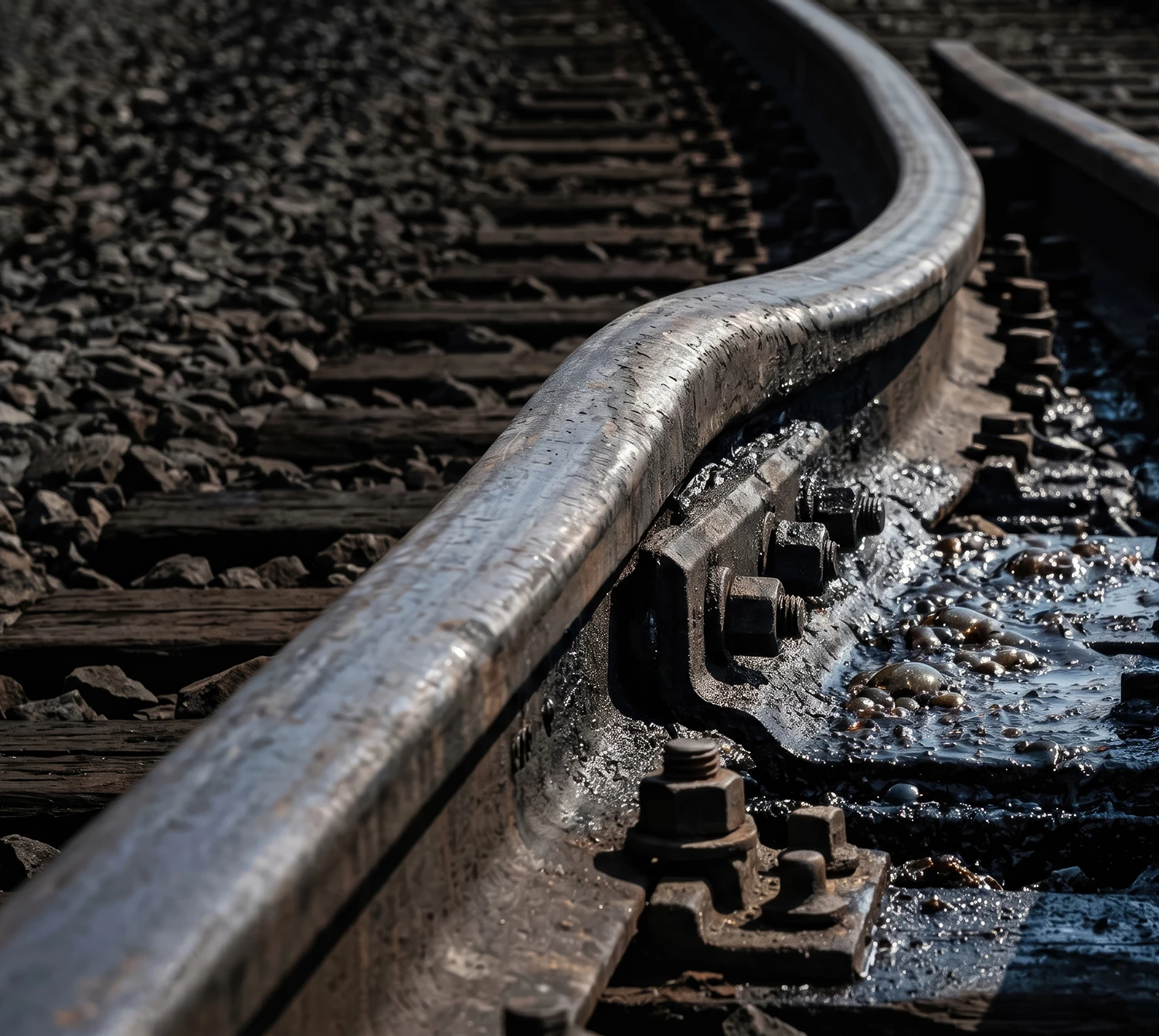
We’re used to the damage caused to our transport infrastructure by heatwaves. We are less familiar with the effect on our built environment.
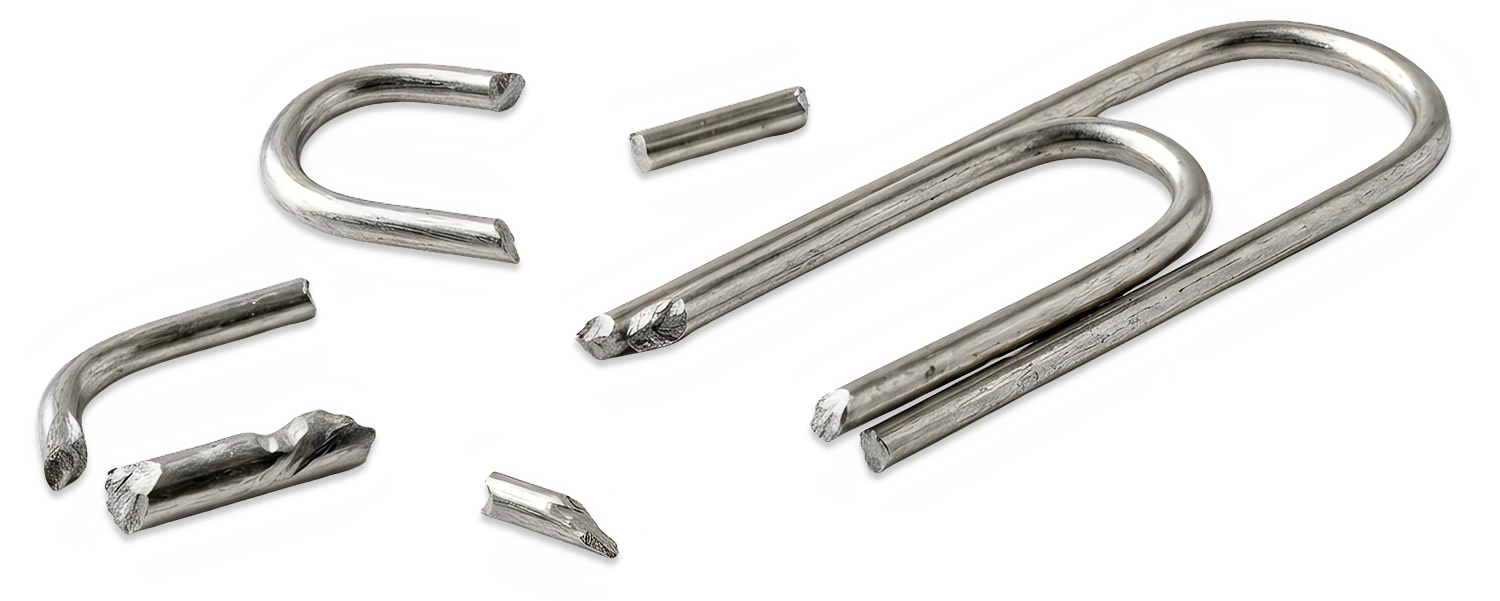
Imagine bending a paperclip. One bend doesn’t snap it. Thousands of tiny movements eventually do.
Concrete behaves in a surprisingly similar way. Every day it expands as temperatures rise. Every night it contracts as temperatures fall. That movement is usually tiny. But over years – and particularly during prolonged periods of unusually high temperatures – it places massive additional stress on structures that may already contain hidden deterioration.
Concrete absorbs solar heat. The outer surface heats faster than the inside, meaning different parts of the structure expand at different rates. Tiny internal stresses develop, opening new cracks and enlarging existing ones. With the return of rain, moisture moves through the concrete and the protective cover becomes increasingly vulnerable.
Most people never see any of this happening.
According to the Institution of Civil Engineers (ICE), climate resilience is now a critical factor for our built environment. This thermal stress impacts infrastructure across the board, particularly:
Many of these tier-one assets are now decades old.
The frightening part is this: a concrete structure can look perfectly healthy while hidden delamination has already formed behind the surface. By the time concrete starts falling off, the deterioration has often been developing invisibly for many years.
If an asset is allowed to degrade to the point of structural failure, the only option is highly disruptive, high-carbon demolition and rebuilding. By intervening early, we achieve true asset life extension – preserving the massive amount of embodied carbon within the original structure and directly supporting your Net Zero targets.
Rather than waiting until concrete starts falling, modern non-destructive testing can detect these hidden defects early.
As a specialist engineering contractor, we deploy advanced structural diagnostics and scanning to map delamination, internal voids, reinforcement location, concrete cover, moisture ingress and corrosion risk.
It is exactly like giving a building an MRI scan instead of waiting for it to become critically ill.
Britain’s infrastructure is ageing. Extreme heatwaves are becoming our new normal. The combination means inspecting concrete before visible failure has never been more important.
The safest concrete isn’t necessarily the newest concrete. It is the concrete that is regularly inspected, understood and maintained before hidden deterioration becomes a danger.
If you are responsible for bridges, commercial buildings, water infrastructure, rail assets or concrete structures, do not wait until concrete starts falling. Scan it. Understand it. Repair it early.
Because by the time concrete lands on the floor, the warning signs have already been there for years.