Contact Us
If you have a commercial, industrial, infrastructure or heritage structural repair enquiry, contact us now. We will respond within one working day. Please note we do not provide services for domestic properties.

If you have a commercial, industrial, infrastructure or heritage structural repair enquiry, contact us now. We will respond within one working day. Please note we do not provide services for domestic properties.
Business enquiries:
Architectural terracotta and glazed faience define some of our most iconic historic and commercial buildings. However, behind that ornate, fire-hardened exterior lies a highly complex and vulnerable structural system. When a terracotta block cracks, crazes, or begins to spall, the surface damage is rarely the root cause. The true threat is almost always hidden deep within the masonry cavity.
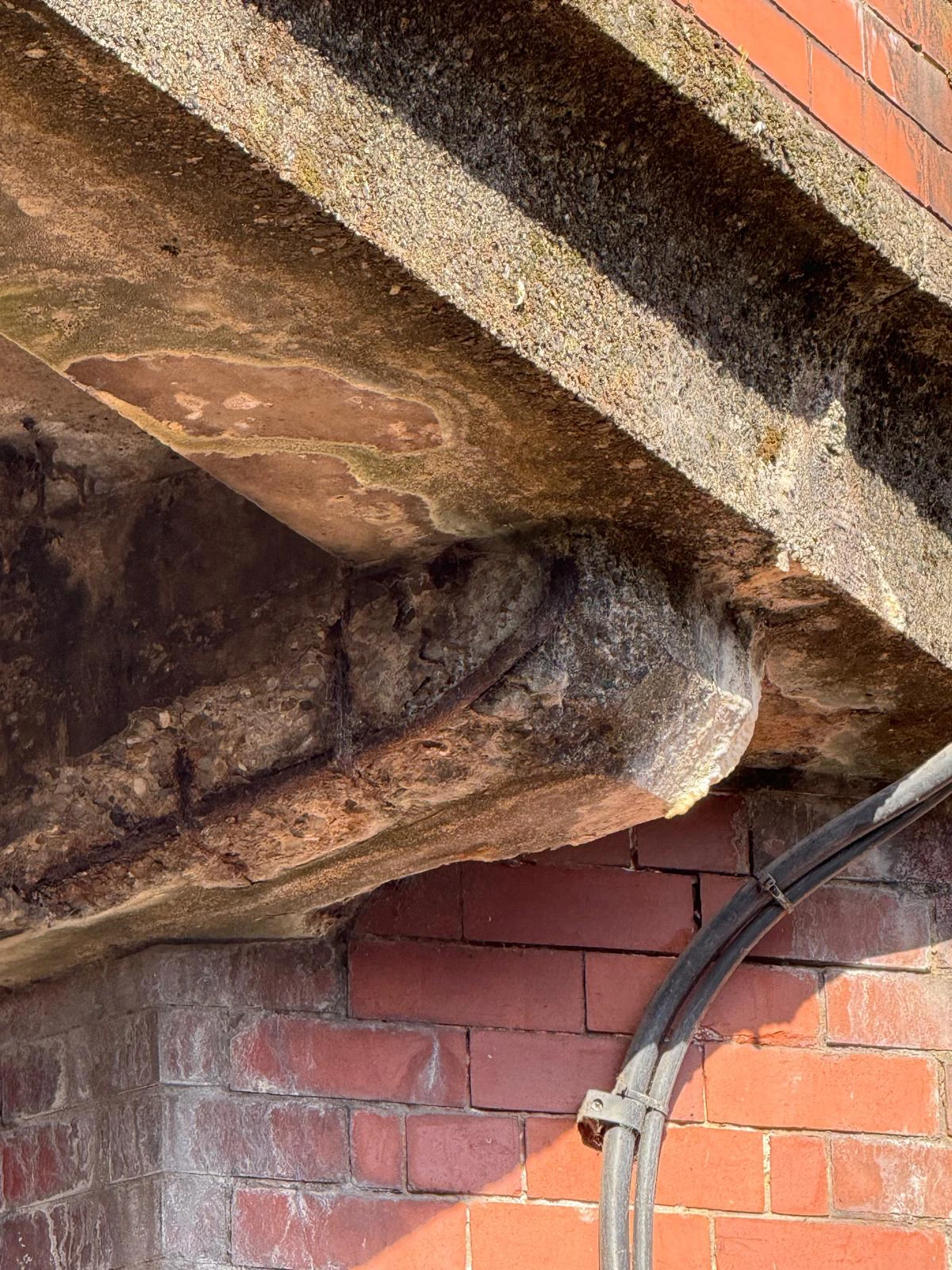
Terracotta blocks are not simply stacked; they are tied back to the main structural frame of the building using embedded iron or mild steel cramps and ties. Furthermore, the hollow voids inside the blocks were historically filled with a concrete or masonry core.
When the protective outer glaze of the terracotta fails or the mortar joints open up, rainwater penetrates the façade. This moisture reaches the hidden iron cramps, causing them to rust. As the metal oxidises, it expands with immense force – a process known as “rust jacking.” This internal pressure physically bursts the terracotta block from the inside out.
If a contractor simply smears a cosmetic filler over a cracked block, they are trapping the moisture inside and accelerating the corrosion of the steel frame. Left unaddressed, rust jacking will eventually push the heavy terracotta units right off the building, creating a catastrophic life-safety hazard for the public below.
Structural Repairs does not treat terracotta repair as a cosmetic patching exercise. We treat it as a structural engineering intervention. We must secure the building’s envelope while strictly adhering to heritage conservation principles.
Because we understand the pathology of historic cladding, we start by diagnosing the unseen framework before we ever touch the outer face. As an integrated structural engineering contractor, we manage the entire lifecycle of the restoration – from structural analysis through to application – ensuring single-source accountability.
This is often caused by a process called “crazing” or freeze-thaw damage. If moisture gets behind the hard, impermeable glaze (usually through failed pointing) and freezes, the expanding ice physically blows the glaze off the face of the clay block. Once the glaze is gone, the highly porous clay beneath absorbs water rapidly, accelerating structural decay.
Structurally, they are very similar. Both are fired clay products used for architectural cladding. The primary difference is the finish: terracotta is typically left unglazed (retaining its natural matte, earthy appearance), whereas faience is coated with a glassy, coloured glaze before its final firing to make it highly decorative and water-resistant.
Yes, provided the internal steel cramps are not actively expanding and the core is sound. We use precision diamond drilling to insert high-tensile stainless steel pins across the fracture. We then inject specialist structural resins to bond the block back together, finishing the surface with bespoke, colour-matched restoration mortars so the repair is virtually invisible.
Unlike modern, lightweight façade panels, historic terracotta blocks are incredibly heavy because their internal voids are usually filled with dense concrete and brick rubble. If a rusted cramp finally fails, a single falling block can weigh hundreds of kilograms, making immediate stabilisation and regular tap-testing surveys critical for building owners.