Contact Us
If you have a commercial, industrial, infrastructure or heritage structural repair enquiry, contact us now. We will respond within one working day. Please note we do not provide services for domestic properties.

If you have a commercial, industrial, infrastructure or heritage structural repair enquiry, contact us now. We will respond within one working day. Please note we do not provide services for domestic properties.
Business enquiries:
For commercial asset owners and facilities managers, diagnosing a defect in a building’s fabric can often blur the lines between routine upkeep and critical engineering intervention. When a concrete soffit begins to spall or a masonry façade develops stepped cracking, the immediate instinct is often to call a general contractor to patch the damage and restore the aesthetics.
However, treating a structural failure as a cosmetic maintenance issue is a dangerous and costly mistake.
Understanding exactly how structural remediation differs from standard building maintenance and renovation is the first and most crucial step in preventing catastrophic asset failure.
Standard building maintenance and renovation focus on the cosmetic, functional and weatherproofing aspects of an asset.
General contractors and maintenance teams are highly skilled at managing the building envelope and internal spaces. Their remit typically includes roof repairs, window replacements, repointing brickwork, upgrading MEP (Mechanical, Electrical and Plumbing) systems and modernising interiors.
Crucially, standard maintenance assumes that the underlying “skeleton” of the building—the load-bearing concrete framework, the steel beams and the foundational masonry—is fundamentally sound. When a general builder applies a patch repair to a cracked wall, they are treating the visible symptom. They are not engineered or equipped to diagnose the hidden, structural pathology that caused the crack to appear in the first place.
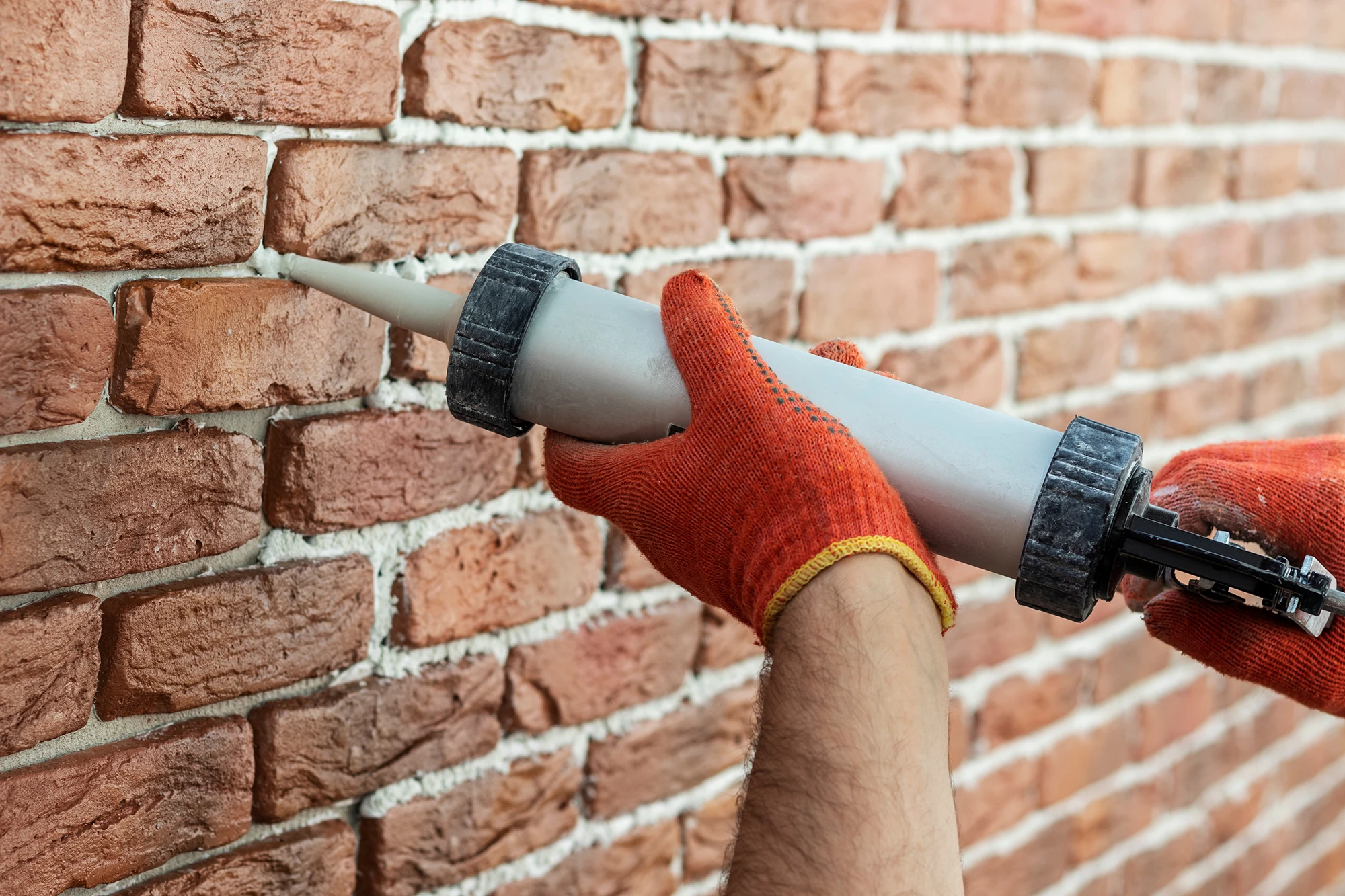
Building maintenance often focuses on the cosmetic, functional and weatherproofing aspects of a building.
Structural remediation is a highly specialised engineering discipline. It focuses entirely on restoring, reinforcing or increasing the load-bearing capacity and structural integrity of a failing asset.
Unlike maintenance, structural remediation does not begin with a trowel and mortar; it begins with data.
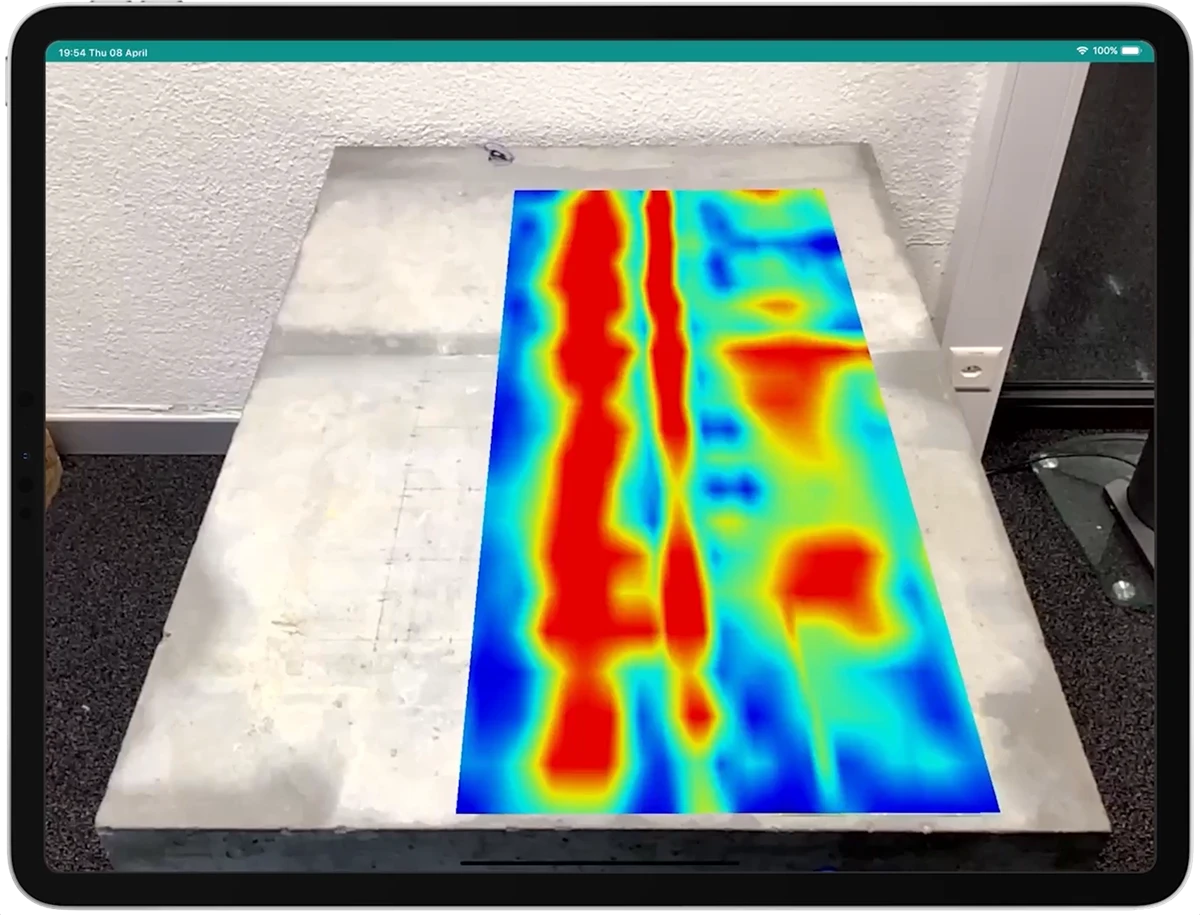
As a specialist engineering contractor, Structural Repairs approaches degradation through forensic diagnostics. Before any physical work begins, our teams deploy Ground Penetrating Radar (GPR), 3D laser scanning and non-destructive testing (NDT) to identify hidden defects like chloride-induced rebar corrosion, internal voids or shear stress fractures.
Once the root cause of the failure is empirically proven, we engineer a targeted intervention. This might involve applying aerospace-grade carbon fibre (CFRP) to bridge decks, executing BS EN 1504 compliant concrete repairs to multi-storey car parks or injecting advanced structural geopolymers to halt foundational subsidence.
In short: maintenance makes a building look good and keep the rain out. Structural remediation stops the building from collapsing.
The most common error in asset management is applying a renovation mindset to a remediation problem.
Take spalling concrete, for example. If a maintenance contractor simply plasters over exposed, rusting rebar, they inadvertently trap moisture and chlorides inside the concrete matrix. The corrosion accelerates unseen, expanding the steel until it blows the new patch off and critically weakens the structural element.
Structural remediation treats the root cause. A specialist team will break out the concrete behind the reinforcement, treat the steel to halt oxidation and apply engineered, high-build repair mortars to permanently restore the structural section.
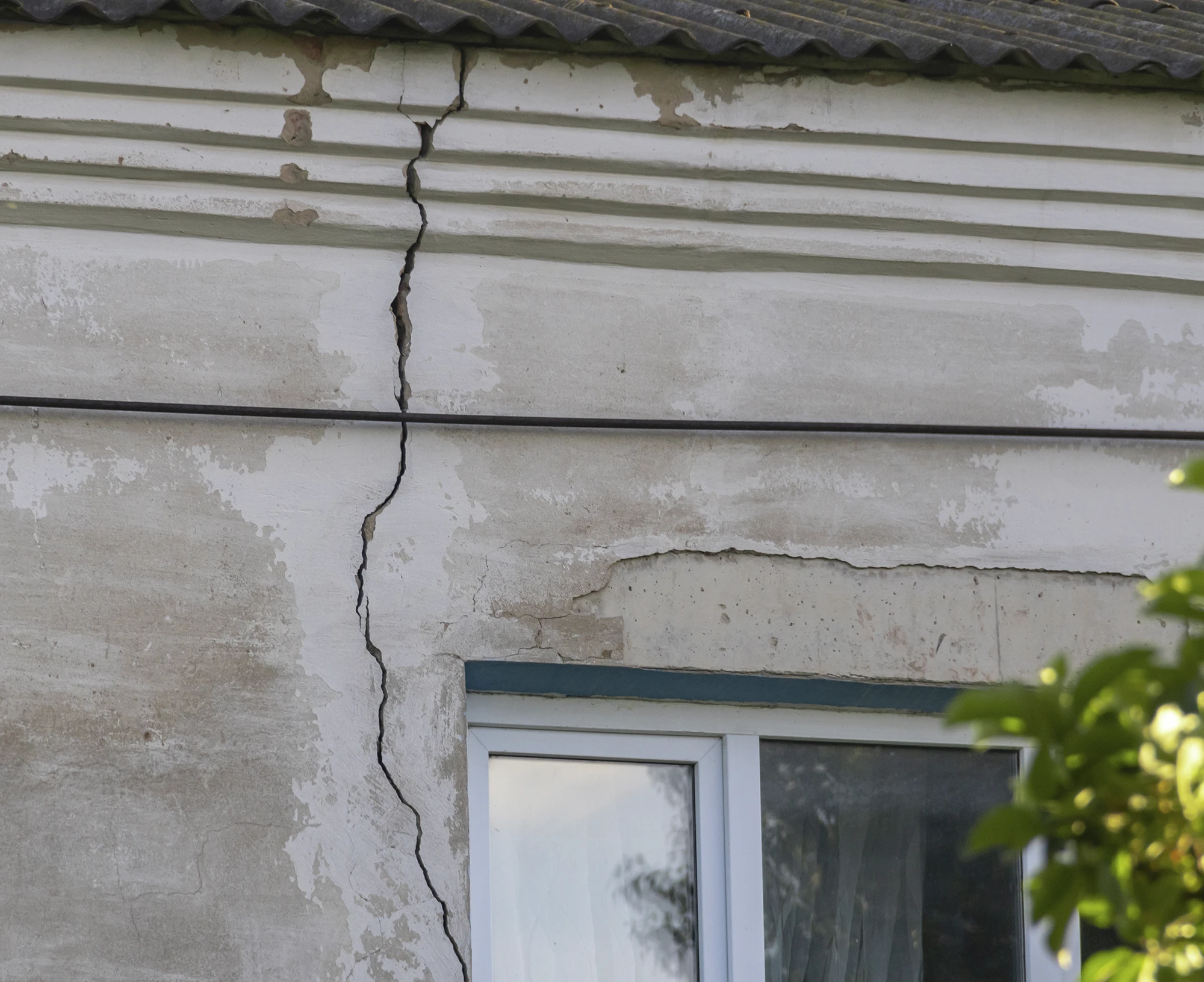
Despite patching, the structure continues to crack. Without focus on the underlying structure, building maintenance will ultimately always fail.
To protect your capital budget and ensure regulatory compliance, asset managers should adhere to the following diagnostic guidelines:
In the past, when an asset suffered severe structural degradation, the default advice was often heavy-duty demolition and reconstruction. Today, that approach is both economically prohibitive and environmentally devastating.
Structural Repairs champions a “Safe Store” philosophy. By deploying advanced composites – manufactured directly at our Doncaster facility – and low-intervention engineering methodologies, we can permanently arrest structural degradation in situ. This allows asset managers to safely retain the original building fabric, drastically extending the operational lifespan of the infrastructure while helping clients avoid high-carbon demolition and successfully achieve their Scope 3 net-zero targets.
If your asset is exhibiting signs of structural distress, do not settle for a cosmetic patch. Contact the engineering team at Structural Repairs for a comprehensive, data-driven diagnostic assessment.